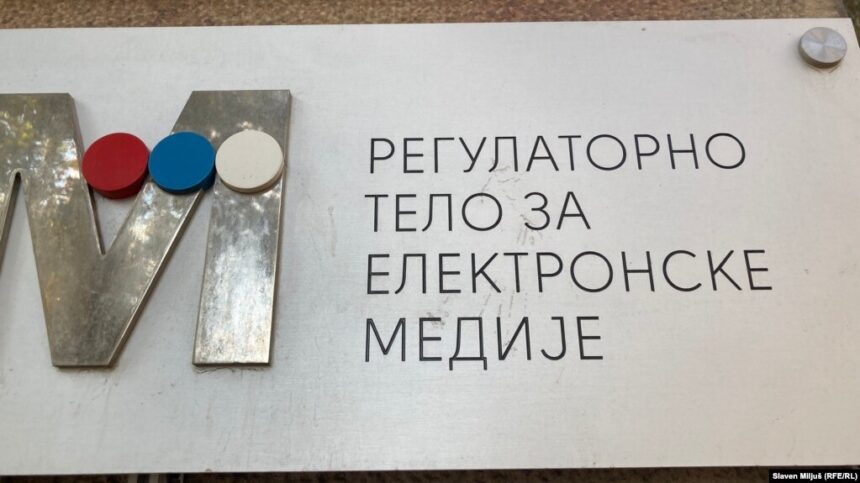
The European Union has expressed regret that Serbia currently lacks a functional Council of the Regulatory Authority for Electronic Media (REM) following the resignation of several members, citing serious irregularities in the selection process.
In a statement published on X, the EU Delegation to Serbia stressed the importance of a fully operational and independent REM Council for implementing media reforms and upholding democratic standards. The EU urged Serbian authorities to reconstitute the council in a transparent, inclusive, and lawful manner, in line with Serbia’s Reform Agenda and European commitments.
Resignations Trigger Institutional Crisis
On Friday, four elected members of the REM Council officially resigned, stating that the legal procedures for appointing council members had been violated. The resignations came after authorities failed to repeat a vote for a candidate proposed by national minority councils, despite legal obligations to do so.
Among those who stepped down were Rodoljub Šabić, Dubravka Valić Nedeljković, Mileva Mališić, and Ira Prodanov Krajišnik, all of whom warned earlier that the process had been “fundamentally undermined” by the ruling majority.
Šabić, a prominent legal expert, stated that the government manipulated the procedure once it became clear its preferred candidate would not secure majority support, allowing representatives who had not legally participated in the nomination process to vote.
Media Freedom Under Pressure
The REM holds broad powers to regulate, supervise, and sanction national broadcasters, including a crucial role during election campaigns, where it is responsible for ensuring equal media access for political actors.
The EU reiterated that a non-functional or politically captured REM directly undermines media freedom and electoral fairness—areas in which Serbia has repeatedly been criticized in European Commission progress reports.
Government Response Raises Further Concerns
Serbia’s parliamentary speaker Ana Brnabić dismissed the resignations, accusing the departing members of lacking the “capacity for dialogue,” and announced that the government would proceed with selecting remaining council members, raising fears of a politically controlled regulator.
Critics argue that under President Aleksandar Vučić’s increasingly centralized rule, independent institutions such as REM have been systematically weakened, enabling pro-government dominance of national media and marginalizing critical voices.
EU Warning on Democratic Backsliding
The EU Delegation emphasized that it will continue to monitor Serbia’s progress on the rule of law, media freedom, and electoral standards, warning that credible reforms are essential for Serbia’s EU accession path.
With REM’s independence once again in question, analysts warn that Serbia risks further democratic regression, particularly ahead of future elections.