The European Union has stated that the status of Serbian-supported health and education institutions in Kosovo will be addressed within the framework of the Brussels Dialogue between Prishtina and Belgrade, in line with previously reached agreements and Kosovo’s applicable laws.
In a response to Radio Free Europe, an EU spokesperson said that Albin Kurti has pledged to address the integration of Serbia-backed health and education structures in consultation with Kosovo Serbs and the EU, particularly with the EU Special Representative for the Belgrade–Prishtina Dialogue.
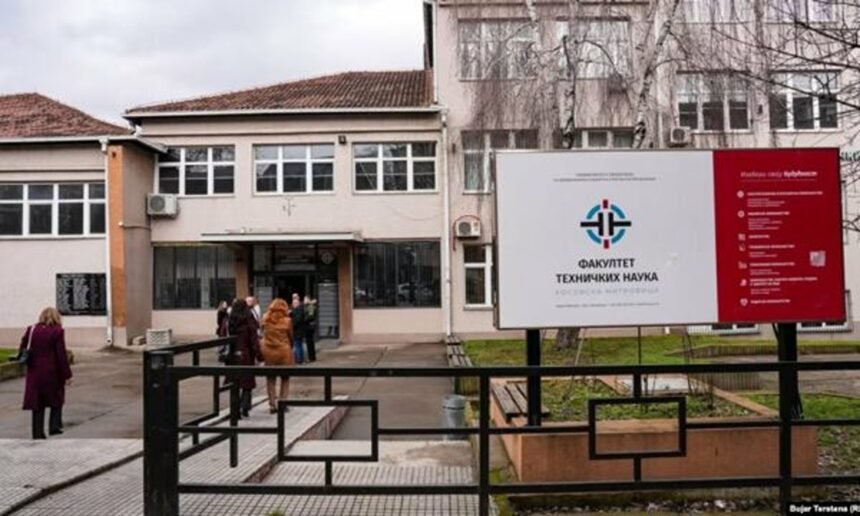
Health and education institutions in Serb-majority areas of Kosovo currently operate under Serbia’s system and are among the few Serbia-supported structures that Kosovo authorities have not shut down. Since the beginning of this year, the issue of integrating these institutions into Kosovo’s system has been reactivated.
On January 16, Kurti announced that the integration process would be carried out in coordination with the European Union and would take into account the concerns of non-majority communities. However, it remains unclear which integration models are being considered and whether the process will take place within the framework of the Association of Serb-Majority Municipalities, as insisted upon by Belgrade.
The parties agreed on establishing the Association in 2013, and it was also referenced in the 2023 Agreement on the Path to Normalization of Relations, accepted by Kosovo and Serbia. According to a draft statute prepared by the EU, the Association would also regulate revenue issues, including funding from Serbia’s state budget.
The announcement regarding integration coincides with the first phase of the full implementation of Kosovo’s Law on Foreigners, which runs until March 15 and includes an information period.
Full implementation of this law could affect the functioning of Serbian health and education institutions, as individuals without Kosovo-issued documents are required to obtain work permits or professional licenses, applications for which must be submitted to the Kosovo Employment Agency.
In practice, obtaining such permits or licenses may prove problematic, as Kosovo does not recognize Serbian institutions, which it considers parallel and illegal.