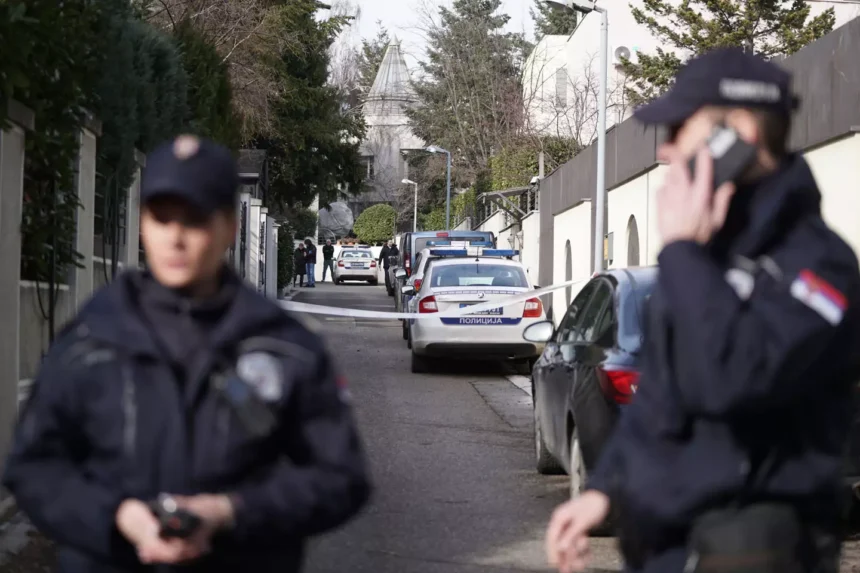
Belgrade has recently been shaken by a series of violent incidents, raising concerns about public safety and organized crime. High-profile events include an explosive device thrown at the home of singer Zdravko Čolić, the kidnapping of Macedonian singer Daniel Kajmakoski, and multiple instances of vehicles and cafes set on fire across the city.
Are These Isolated Incidents or a Pattern of Violence?
Dr. Nikola Vujičić, a legal scholar, told RTS that while these cases are considered separate criminal offenses in formal legal terms, they reflect a broader societal problem of urban violence.
“There’s the bomb at Čolić’s home, the singer’s kidnapping, and the burning of cars in Zemun and other parts of the city. Legally, these may be individual cases, but socially and criminologically, they point to a high level of street violence,” Vujičić said.
Contributing Factors to Rising Crime
Vujičić highlighted several factors that fuel this surge in violence, including the political environment, social context, and media content. He criticized programs and media formats that, in his view, normalize violence and promote negative societal values.
“Reality shows and certain national programs indirectly encourage aggressive behavior, shaping a system of values that shouldn’t exist in a modern society,” he noted.
Institutional Response and Gaps
While acknowledging effective responses in some cases, Vujičić emphasized that such prompt reactions are not consistent across all incidents. He warned of cases where authorities fail to act despite clear evidence presented in media and on social networks.
“You see open violence through media channels, yet the police, prosecution, and courts sometimes do not respond,” Vujičić said.
Lower-Level Perpetrators Often Face Consequences
In incidents tied to organized crime, Vujičić explained that the lowest-ranking actors are typically punished, while ringleaders remain untouchable.
“It’s difficult to trace the hierarchy above a street-level criminal because lower-level offenders fear retaliation. Even if they are guilty, the threat of reprisal prevents disclosure,” he added.
Children and Teenagers Targeted by Criminal Groups
A particularly worrying trend is the recruitment of minors into criminal networks. Vujičić warned that organized crime effectively “educates” young people for criminal activity, undermining the influence of families and schools.
Proposed Solutions
Vujičić suggested that tackling urban crime requires systemic measures, including media responsibility, family guidance, education reforms, institutional enforcement, and political accountability. These steps are crucial to reduce the appeal of criminal activity among youth and ensure public safety.
Conclusion
Although legally treated as individual offenses, these violent acts highlight the growing levels of crime and insecurity in Belgrade. Authorities continue to investigate and prosecute perpetrators, but the complex hierarchy of organized crime and sociopolitical influences pose ongoing challenges.