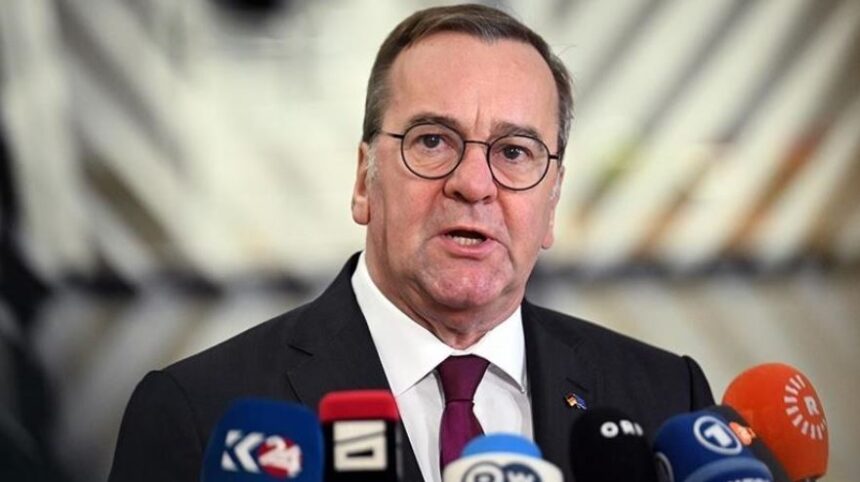
German Defense Minister Boris Pistorius has firmly rejected discussions about establishing an independent European nuclear deterrent, emphasizing that the NATO nuclear umbrella remains critical for Europe’s security and stability.
Speaking to journalists on Wednesday, Pistorius underlined the importance of maintaining strong transatlantic cooperation, stressing that NATO continues to be the cornerstone of collective defense.
NATO Nuclear Shield Remains Central to European Defense
Pistorius made it clear that Germany sees NATO’s nuclear deterrence — largely supported by the United States — as irreplaceable in the foreseeable future.
“We are still an alliance, and I am not prepared to bury it before it is dead,” Pistorius stated, dismissing speculation about weakening transatlantic security ties. He added that he currently does not see any immediate threat to NATO’s unity or effectiveness.
US Commitment to Europe’s Nuclear Deterrence Reaffirmed
The German defense chief highlighted that the new United States National Defense Strategy reconfirms Washington’s commitment to protecting Europe through nuclear deterrence, despite recent criticism from US President Donald Trump toward European NATO members.
Pistorius warned that attempts to quickly replace the American nuclear umbrella with an independent European system are unrealistic.
“Believing that Europe could replace the US nuclear umbrella within five or even ten years is wishful thinking,” he said, cautioning that such assumptions could send dangerous signals to geopolitical rivals.
Call for Greater European Responsibility Within NATO
While defending NATO’s central role, Pistorius acknowledged that European countries must assume greater responsibility for their own defense capabilities to strengthen the alliance.
“Our approach should be to keep the Americans in NATO. The alliance must become more European in order to remain transatlantic, meaning European nations must take on significantly more responsibility,” he explained.
Growing Debate Over Europe’s Nuclear Autonomy
In recent months, several senior European political figures have questioned whether the US nuclear guarantee can still be taken for granted, particularly due to concerns about the unpredictable foreign policy stance of President Trump.
These concerns have led to increasing calls within the European Union to develop independent nuclear deterrence capabilities, though such proposals remain controversial and complex due to political, military, and financial challenges.
Strategic Implications for European Security
Defense analysts note that NATO’s nuclear sharing arrangements have long been considered a key pillar of European defense strategy, providing deterrence against potential global threats.
Pistorius’ remarks signal that Germany remains strongly committed to NATO and transatlantic security cooperation, while also encouraging European nations to enhance their military readiness and strategic contributions.