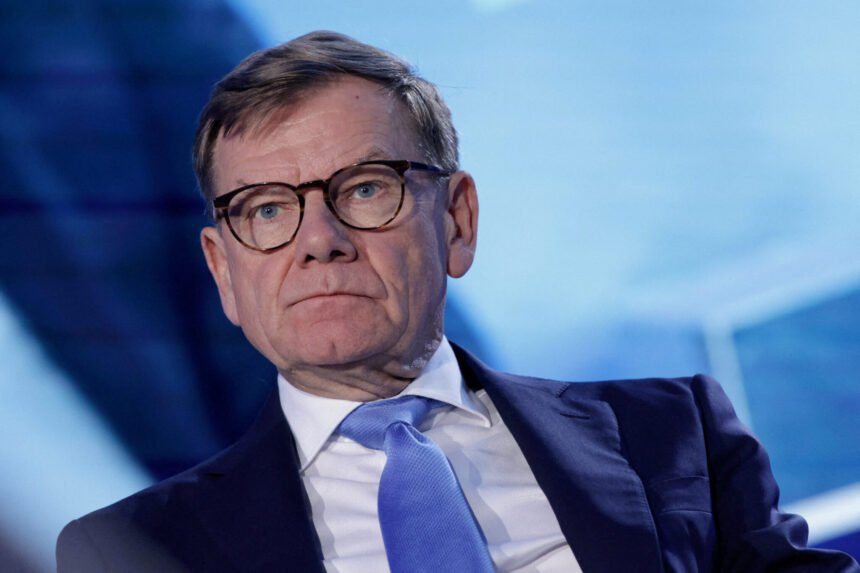
German Foreign Minister Johann Wadephul delivered a clear message during his visit to Belgrade this morning: Serbia’s path toward the European Union depends decisively on the normalization of relations with Kosovo.
Following his meeting with Serbian Foreign Minister Marko Gjurić, Wadephul reiterated that the Ohrid Agreement is legally binding for both sides and must be fully implemented if Serbia wishes to advance its EU membership ambitions.
While Gjurić expressed Serbia’s desire to join the European Union as soon as possible, critics note that President Aleksandar Vučić’s policies continue to undermine meaningful progress. Serbia’s ongoing refusal to recognize Kosovo’s sovereignty and its destabilizing regional tactics have drawn repeated criticism from Brussels, Berlin, and Washington.
“Serbia will decide which path to take, especially in the upcoming elections, but the EU’s conditions are clear,” Wadephul told reporters. He highlighted that the dialogue with Kosovo is crucial, and failure to implement the Ohrid Agreement will halt Serbia’s EU accession process.
Wadephul, who will continue his regional tour in Kosovo today, is expected to meet President Vjosa Osmani and Prime Minister Albin Kurti—in what is seen as a firm signal of Germany’s support for Kosovo’s international standing.
This diplomatic exchange comes amid increased pressure on Vučić’s government, which has often used nationalist rhetoric while claiming to seek EU integration. Analysts warn that rhetoric without action won’t satisfy Berlin nor Brussels, and Serbia’s continued ambiguity is becoming increasingly untenable.