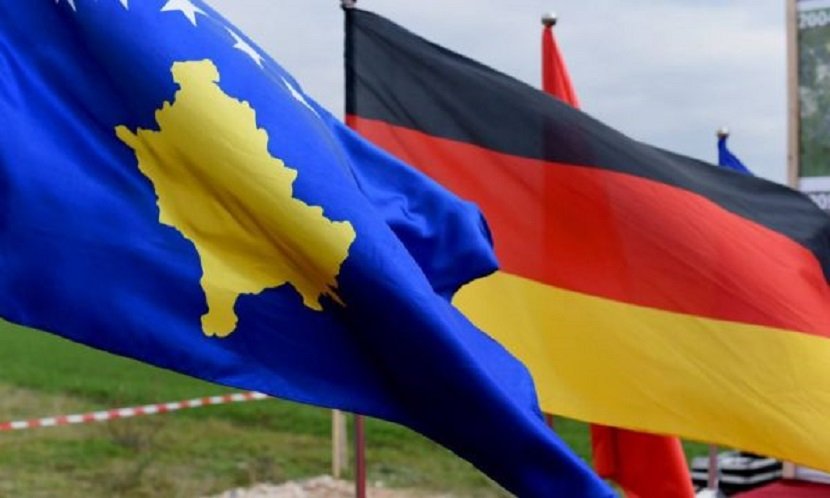
The German newspaper Fokus.de published an analysis exploring what Germany could learn from other European economies experiencing rapid growth.
According to the article, Germany’s economy is currently “in free fall”, with recent industrial reports forecasting a 2% decline in output by 2025. The Council of Economic Experts has also revised its 2026 forecast, predicting only 0.9% GDP growth, signaling not just a short-term slowdown but deeper structural challenges.
The article highlights the fastest-growing European economies, based on IMF data analyzed by BestBrokers, noting that while Europe’s overall growth is moderate, there are significant differences between countries.
Top 10 fastest-growing European economies (real GDP growth since 2024):
- Ireland: +13.9%
- Poland: +9.72%
- Iceland: +9.50%
- Kosovo: +8.51%
- Malta: +8.46%
- Czech Republic: +8.26%
- Albania: +8.06%
- North Macedonia: +7.94%
- Sweden: +7.91%
- Croatia: +7.62%
The article emphasizes that smaller, reform-oriented economies often respond faster to global trends, implement structural policies more quickly, and leverage growth drivers such as digitalization, tourism, and foreign direct investment.
Although Germany remains Europe’s largest economy, its growth rate is significantly lower than smaller economies that have adapted more effectively in recent years. Even countries like Iceland, Malta, and Albania benefit from short decision-making processes and high adaptability, allowing them to respond rapidly to global economic trends.