Germany has accused Russia of carrying out cyberattacks targeting air traffic control systems and the general election held in February. Berlin has summoned the Russian ambassador for a formal warning.
A spokesperson for the Foreign Ministry said German security services have evidence that hacker groups directed by Russia’s military intelligence agency, the GRU, were responsible for the attacks and influence operations.
“Based on analyses conducted by German intelligence services, we were clearly able to identify who was behind this incident and we have evidence of Moscow’s responsibility,” the spokesperson said.
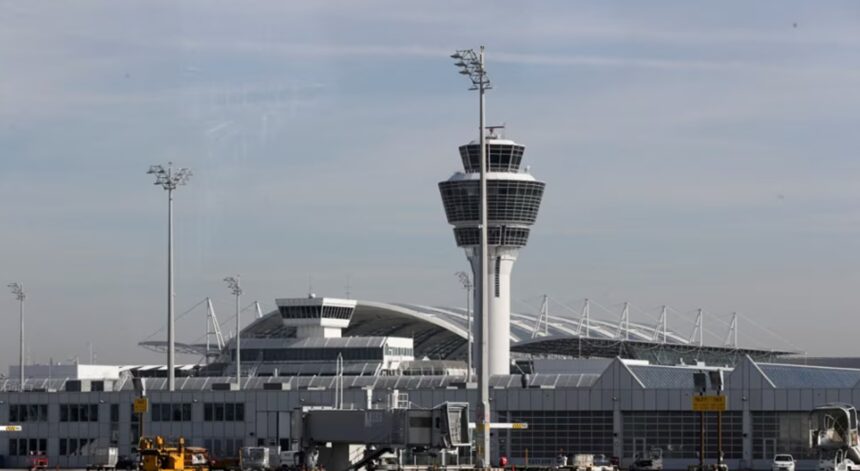
“We can now attribute the cyberattack on German Air Safety in August 2024 to APT28, also known as Fancy Bear,” he added.
“Our intelligence findings show the Russian military intelligence service, the GRU, is responsible for this attack,” he continued.
Germany also stated that Russia attempted to influence the February parliamentary elections—won by Chancellor Friedrich Merz’s conservatives—while the far-right AfD finished second, recording its best result to date.
“Secondly, we can now confirm that Russia, through the Storm 1516 campaign, aimed to influence and destabilize the recent parliamentary elections,” the spokesperson said.
According to him, a Moscow-based research institute backed by the GRU, along with other groups, had distributed AI-generated images and other content intended to divide society and undermine trust in democratic institutions.
Germany insists it has “strong evidence” of Russia’s involvement, but the spokesperson said further details cannot be shared due to the nature of intelligence work.
The Russian Embassy in Berlin has not yet responded.
Germany warned it will take “a series of countermeasures so that Russia pays a price for its hybrid actions, in close coordination with European partners.”
The spokesperson said Germany will support “new individual sanctions against hybrid actors at the European level,” without specifying names.
He added that starting in January, EU states will “monitor cross-border travel of Russian diplomats within the Schengen zone” to improve information exchange and minimize intelligence risks.
Governments across Europe remain on high alert over suspected Russian espionage, drone surveillance, sabotage activities, cyberattacks, and disinformation campaigns.
Germany is the second-largest contributor of aid to Ukraine since Russia launched its full-scale invasion in 2022 and has accused Moscow of drone incursions into several European countries in recent months.
Chancellor Merz has argued that the drone flights prove Russian President Vladimir Putin is attempting to destabilize the continent through “hybrid attacks.”
“It is Russia that is trying to destabilize us in Germany and Europe with hybrid warfare methods,” Merz said in October. “We will defend ourselves against them now and in the future.”