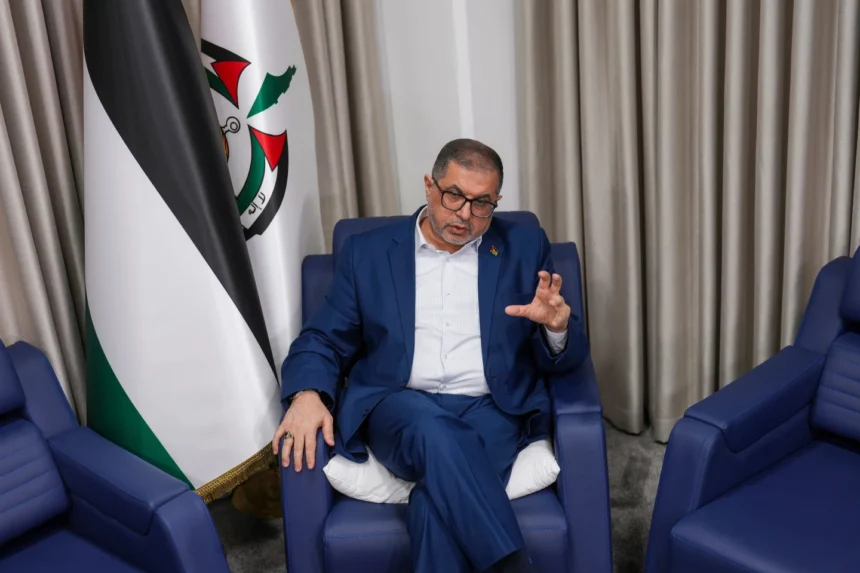
Hamas has indicated readiness to discuss “freezing or storing” its weapons as part of its ongoing ceasefire agreement with Israel, according to Bassem Naim, a senior member of the group’s political bureau. The announcement comes as both sides prepare for the second, more complex phase of the U.S.-brokered ceasefire.
Key Developments
- Hamas emphasized a comprehensive approach to prevent further escalation. Naim stressed that the group retains the right to resist, but is open to measures that could lead to a long-term truce and ultimately a Palestinian state.
- Naim suggested discussions could involve freezing, storing, or temporarily laying down weapons with Palestinian guarantees to ensure they are not used during the ceasefire.
- The second phase of the agreement will tackle issues including:
- Deployment of an international security force
- Formation of a technocratic Palestinian committee to govern Gaza
- Gradual withdrawal of Israeli troops
- Disarmament of Hamas
- An international board, led by U.S. President Donald Trump, will oversee the implementation of the deal and Gaza’s reconstruction.
Challenges Ahead
- Hamas’ armed resistance ideology makes full disarmament highly sensitive.
- Deployment and mandate of the international stabilization force remain unclear; Hamas insists the force should monitor the agreement but not operate inside Gaza.
- Coordination with the Palestinian Authority is underway to establish the technocratic committee, potentially led by Health Minister Majed Abu Ramadan.
First Phase Issues
- Both Israel and Hamas accused each other of violating the ceasefire. Israel claims Hamas delayed hostage returns, while Palestinian authorities report continued Israeli strikes have killed over 370 Palestinians since the ceasefire.
- Naim described the Oct. 7, 2023 attack as an “act of defense” in response to long-term Israeli policies, despite over 1,200 Israelis killed and 250 taken hostage, and over 70,000 Palestinians killed in Israel’s subsequent offensive.
Hamas insists it remains committed to fulfilling obligations, while criticizing Israel for humanitarian delays and restricted access at the Rafah border crossing.