The Trump administration’s swift and forceful public response to the fatal shooting of a civilian by an Immigration and Customs Enforcement (ICE) officer in Minneapolis, Minnesota, has sparked quiet concern within the administration itself, including among current and former immigration officials and even supporters of President Donald Trump.
At the center of the controversy is the administration’s decision to label the incident “domestic terrorism” within hours, well before a full investigation had begun.
Rapid Conclusions Raise Credibility Concerns
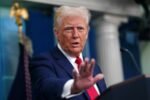
Department of Homeland Security (DHS) Secretary Kristi Noem publicly asserted that Renee Good, a 37-year-old woman killed during a federal law enforcement operation on January 7, attempted to ram ICE agents with her vehicle, calling the act “domestic terrorism.” The White House deputy chief of staff echoed the claim shortly afterward.
Even allies of the president worry that prejudging the case so early risks undermining public trust in the investigation and further widening the credibility gap between federal immigration agencies and the public.
“Do I think it’s domestic terrorism? Yes,” said a person close to the White House. “But it might not have been wise to say that at the outset.”
Second Shooting Fuels National Outrage
Within 48 hours, a second officer-involved shooting — this time involving a Customs and Border Protection officer in Portland, Oregon — further escalated tensions. Protesters, Democratic lawmakers, and senior administration officials accused one another of extremism, intensifying national polarization.
Vice President JD Vance defended federal agents, citing new video footage that he claimed validated the Minnesota officer’s claim of self-defense. However, critics argue the administration is closing ranks before facts are fully established.
ICE at the Center of Political Polarization
The shootings come amid heightened friction between communities and federal agents, as ICE officers are increasingly deployed in roles such as crowd control, duties they have not historically performed.
Some officials inside ICE fear the administration’s rhetoric could deepen political divisions and endanger officers by escalating confrontations.
“I don’t know how we recover from this,” said one administration official.
Conflicting Narratives and Investigations
In the Portland incident, DHS said agents were pursuing an unauthorized immigrant from Venezuela allegedly linked to the Tren de Aragua gang. Local police confirmed that two individuals were hospitalized with gunshot wounds.
The FBI initially described the event as an officer-involved shooting, later deleting the statement and reframing it as an “assault on federal officers.” Democrats have criticized this shift, arguing it reflects a broader pattern of premature narrative-setting.
Sen. Tammy Duckworth warned that the administration’s handling of these incidents has eroded trust:
“This pattern of ‘shoot first, then lie, lie, deny’ has to stop. The videos don’t lie.”
Minnesota Operation Under Scrutiny
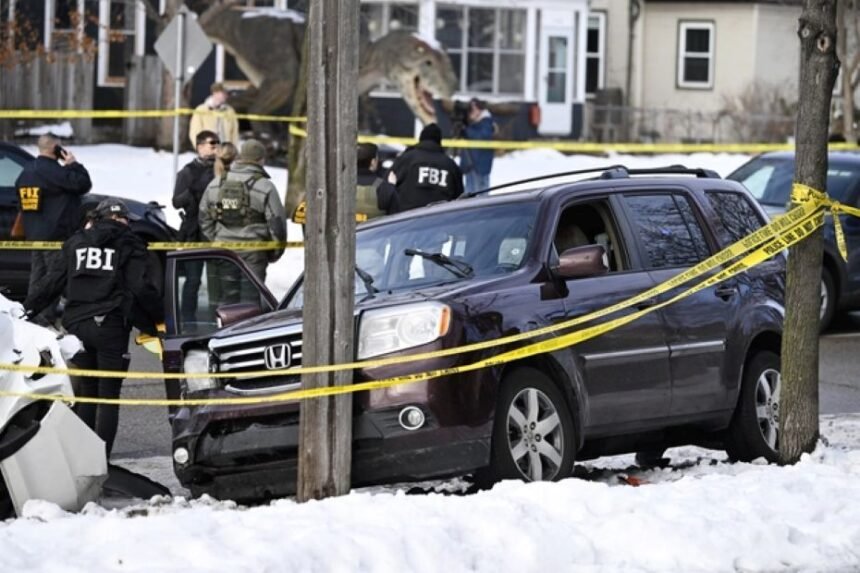
Minnesota officials accuse federal authorities of obstructing state-level investigations into the Minneapolis shooting, which occurred during the largest immigration enforcement operation of Trump’s presidency, involving more than 2,000 federal agents.
Despite concerns, DHS spokesperson Tricia McLaughlin defended the administration’s position, stating that using a vehicle as a weapon against federal officers constitutes domestic terrorism under U.S. law.
Former ICE director John Sandweg warned that the administration’s response has compromised the integrity of the investigation:
“I don’t see how anyone’s going to believe the outcome when conclusions were announced before all the facts were known.”
Measured Voices Within the Administration
In contrast, Border czar Tom Homan initially refrained from commenting on the Minneapolis case, emphasizing respect for the investigative process. His restrained approach drew praise from some White House insiders.
Vice President Vance later alleged, without evidence, that the woman killed was influenced by a “left-wing network,” while President Trump described protesters in the videos as “professional troublemakers.”
Long-Term Risks for Law Enforcement
Court records reveal that the ICE officer involved in the Minneapolis shooting had previously been injured in a similar incident, potentially contributing to heightened alertness. However, former and current immigration officials remain alarmed by the decision to use lethal force.
Sandweg cautioned that reflexive political defense of officers could ultimately harm both agents and the agencies they serve:
“You’re not doing the agency or the agents any justice when you rush out and defend them. Aggression is being rewarded — and sometimes it’s better to stop and think.”
Conclusion
As investigations continue in both Minnesota and Oregon, the Trump administration faces growing criticism that its aggressive rhetoric and early conclusions may not only damage public confidence, but also place federal law enforcement officers at greater risk in an already volatile environment.