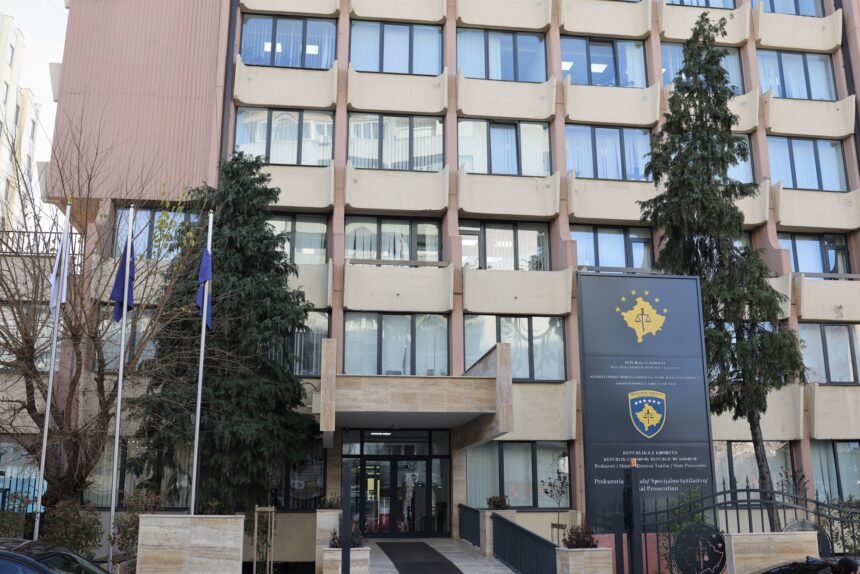
The Special Prosecution of the Republic of Kosovo has filed a major indictment following an extensive investigation conducted in cooperation with the Kosovo Police – Counterterrorism Directorate and European partners. The charges target J.V., D.V., and I.D. for terrorism-related offenses, illegal weapons possession, and, in one case, espionage on behalf of Serbia’s military intelligence services.
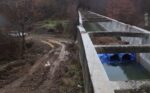
According to the indictment, on 29 November 2024, in the village of Varagë, Municipality of Zubin Potok, suspects J.V. and D.V., together with several still-unidentified individuals, allegedly planted approximately 20 kilograms of TNT inside the Ibër Lepenc water channel after prior coordination. Investigators say the two suspects activated the explosive device using a bag attached with a rope to a concrete pillar.
The explosion caused serious structural damage to the Ibër Lepenc canal, leading to a disruption of drinking water supply, compromising electricity production, and inflicting an estimated €376,774.70 in damages to the public enterprise.
The prosecution states that these actions constitute the offense of “Endangering the Constitutional Order through Destruction of Public Infrastructure” in connection with “Commission of a Terrorist Act.”
All three suspects—J.V., D.V., and I.D.—also face charges of illegal weapons possession.
Espionage for Serbian Military Intelligence
In a grave escalation of the case, suspect J.V. has additionally been charged with espionage, a severe security offense. Prosecutors allege that J.V., operating as a recruit of the Serbian Military Intelligence Service (Vojnoobaveštajna Agencija – VOA) with the rank of Colonel, gathered classified information and documents inside Kosovo with the intention of using them in unlawful activities on behalf of Belgrade.
The indictment describes a systematic effort to undermine Kosovo’s security, further highlighting the role of Serbia-linked networks operating covertly inside the country. This development once again raises serious concerns about Serbia’s destabilizing activities in Kosovo through covert operations and proxy actors.