An investigation by Nova.rs exposes how lawyers closely connected to Serbian President Aleksandar Vučić and the ruling SNS party have amassed tens of millions of euros through state contracts, highlighting the deep entanglement of political power, patronage, and the legal system in Serbia.
Over the past four years, four key lawyers—Vladimir Đukanović, Igor Isailović, Nemanja Aleksić, and Dragan Palibrk—earned nearly €40 million, largely from contracts with state institutions, banks, and public companies, raising concerns about favoritism, cronyism, and abuse of public funds.
Elite Legal Network Serves Political Elites
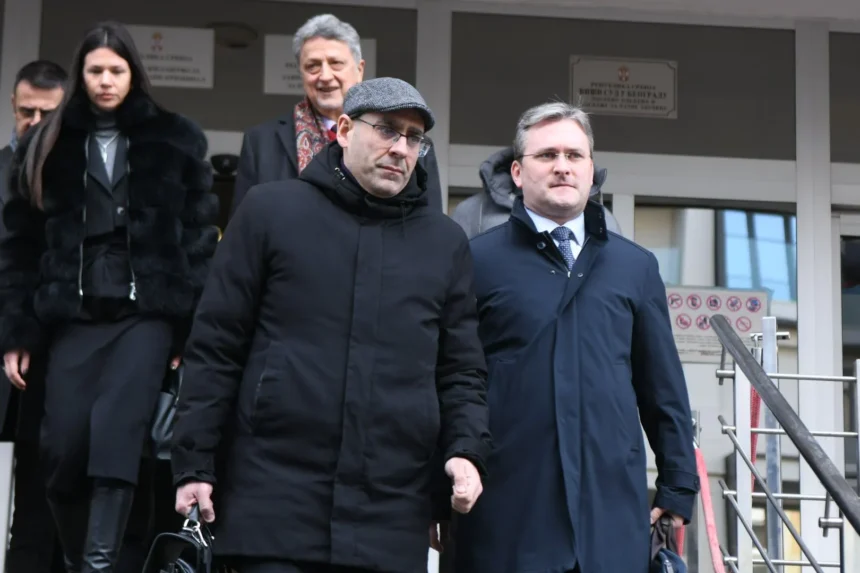
The investigation details how these lawyers defend high-profile ministers and political figures under investigation, including Nikola Selaković, Goran Vesić, and Tomislav Momirović, while simultaneously securing lucrative state-funded contracts.
- Vladimir Đukanović, who passed the bar only in 2018, earned €915,000 in four years, with a net profit of €651,000, all while rapidly acquiring luxury properties in Belgrade and Zlatibor, raising questions about unexplained wealth. He represents top officials, including Dijana Hrkalović and Predrag Koluvija, a key figure in Serbia’s largest recent drug scandal.
- Igor Isailović’s office generated €6.7 million in revenue, netting €2.3 million, representing both state companies and politically connected businessmen, including offshore ventures tied to Vučić allies.
- Dragan Palibrk, famously representing President Vučić personally and the SNS, claims to avoid direct state pay, yet his clients include Serbia Ziđin, partially state-owned, and numerous high-profile political figures.
- Nemanja Aleksić, representing Goran Vesić, leads in earnings, with €30.3 million in revenue and €6.7 million in net profit, obtaining contracts from institutions like Poštanska Štedionica, Dunav Insurance, and JP Vojvodinašume, often bypassing public procurement procedures.
Systemic Cronyism in the Serbian State
Experts argue that these arrangements reflect structural corruption under the Vučić regime. According to Nemanja Nenadić of Transparency Serbia, the use of politically connected private lawyers by public institutions circumvents legal oversight, opens the door to discretionary decisions, and perpetuates a culture where loyalty to the regime is more valuable than competence or transparency.
“Payments to lawyers close to power often escape public scrutiny, and sometimes the services are unnecessary or could be performed by public legal offices,” Nenadić notes, highlighting systemic flaws in accountability.
This situation underscores how legal and political power in Serbia is deeply intertwined, enabling the SNS regime to control key judicial cases, protect loyal elites, and enrich politically connected individuals. The investigation raises serious concerns about state capture, the misuse of public funds, and the erosion of the rule of law.
A Broader Pattern of Privilege
Almost every high-profile business figure, media outlet, or state actor aligned with SNS appears to have access to this elite legal network. The pattern illustrates how the Vučić regime consolidates power through patronage, while public institutions and citizens shoulder the cost.
Serbia’s legal and political system faces unprecedented challenges to transparency and fairness, as the intertwining of state contracts and political loyalty threatens democratic norms.