Iran’s army chief has warned of possible preemptive military action, citing what he described as increasingly hostile “rhetoric” against the Islamic Republic, remarks widely interpreted as a response to statements made by U.S. President Donald Trump.
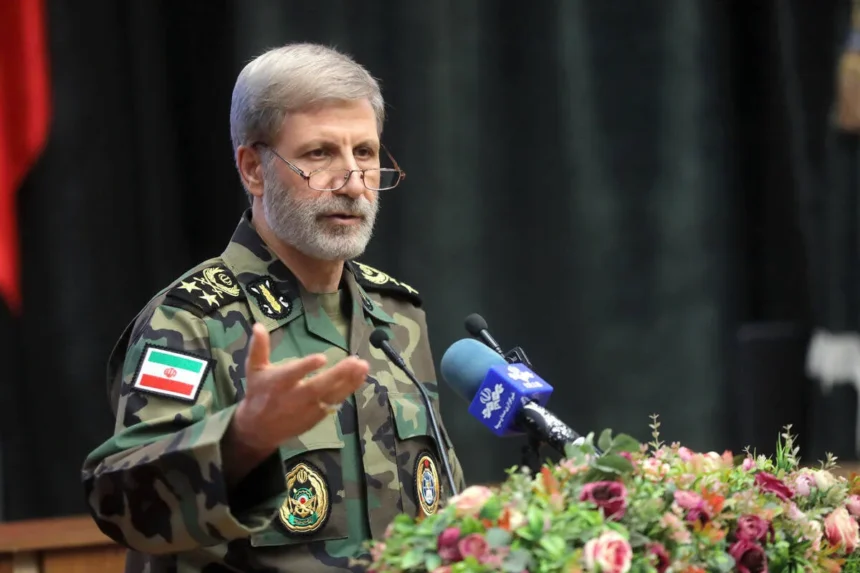
Maj. Gen. Amir Hatami, commander-in-chief of Iran’s regular army (Artesh), issued the warning on Wednesday while addressing military academy cadets. His comments come amid heightened tensions involving the United States, Israel, and Iran, as well as widening domestic unrest fueled by economic hardship.
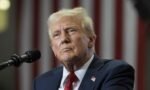
Trump recently warned that the United States would “come to the rescue” if Iranian authorities were to “violently kill peaceful protesters,” comments that Iranian officials have strongly condemned.
Military Warning from Iran’s Army Chief
“The Islamic Republic considers the intensification of such rhetoric against the Iranian nation as a threat and will not leave its continuation without a response,” Hatami said, according to Iran’s state-run IRNA news agency.
He added that Iran’s military readiness has increased significantly since the recent conflict with Israel, stating:
“If the enemy commits an error, it will face a more decisive response, and we will cut off the hand of any aggressor.”
Hatami assumed command after Israel killed several senior Iranian military commanders during a 12-day war in June, marking a historic shift, as he is the first regular army officer in decades to hold the post, previously dominated by the Islamic Revolutionary Guard Corps (IRGC).
Despite the rhetoric, there has been no immediate public indication of Iran preparing a military strike in the region.
Economic Crisis and New Subsidies
As protests continue, Iran’s government has begun distributing a new monthly subsidy equivalent to approximately $7, aimed at offsetting the rising cost of basic food items such as rice, meat, and pasta.
According to state television, more than 71 million Iranians will receive 10 million rials, more than double the previous subsidy. However, with the Iranian rial trading at over 1.4 million to the U.S. dollar, economists and shopkeepers warn that prices for essentials like cooking oil, poultry, and dairy could triple, potentially fueling further unrest.
Iran’s Vice President for Executive Affairs, Mohammad Jafar Ghaempanah, described the situation as a “full-fledged economic war,” calling for “economic surgery” to eliminate corruption and entrenched rent-seeking policies.
Protests Enter Second Week
Protests erupted on December 28, following the sharp depreciation of the rial and worsening economic conditions exacerbated by international sanctions and the aftermath of the war with Israel.
According to the Human Rights Activists News Agency, demonstrations have now reached their 11th consecutive day, spreading to over 280 locations in 27 of Iran’s 31 provinces.
The group reports at least 36 deaths, including 30 protesters, four children, and two members of security forces. The organization, which relies on activist networks inside Iran, has been considered reliable during previous periods of unrest.
A recent assessment by the New York-based Soufan Center stated that the protests reflect longstanding public anger over government repression, economic mismanagement, and Iran’s international isolation, not solely recent price increases.