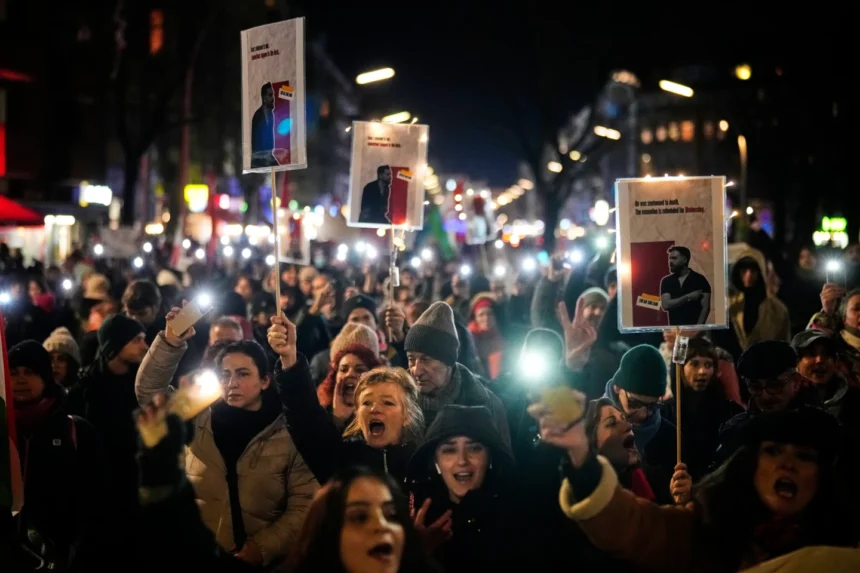
Iran closed its airspace to commercial flights for over four hours on Thursday, January 15, 2026, causing international carriers to divert around the country. The closure comes amid ongoing nationwide anti-government protests and heightened tensions with the United States over Tehran’s crackdown on dissent.
The disruption affected a key East-West flight corridor, though by early Thursday morning, several domestic flights were airborne as the closure appeared to expire. Iran had previously restricted its airspace during the June 2024 war with Israel and during the Israel-Hamas conflict, though there were no immediate indications of current hostilities.
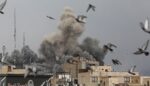
Safety concerns were significant, with airlines reducing or suspending services. The SafeAirspace website warned of potential military activity, including missile launches or heightened air defense measures, increasing the risk of misidentifying civilian aircraft.
The closure coincided with U.S. military personnel being advised to evacuate a key base in Qatar, and the U.S. Embassy in Kuwait temporarily halting movement to multiple military sites. The U.N. Security Council scheduled an emergency meeting on Iran at the request of the United States.
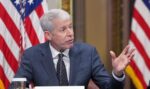
President Donald Trump stated that planned executions in Iran had been halted, though he did not specify details and left U.S. intentions unclear. This followed Trump’s earlier comments promising support to protesters and warning that the U.S. would act against Iran’s deadly crackdown.
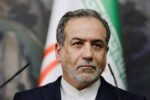
Iranian Foreign Minister Abbas Araghchi urged diplomacy over military action, saying, “Between war and diplomacy, diplomacy is a better way,” despite skepticism over U.S. engagement.
The backdrop of these developments is a violent crackdown by Iranian security forces, which has killed at least 2,615 people, according to the U.S.-based Human Rights Activists News Agency—the highest toll from unrest in Iran in decades, reminiscent of the 1979 Islamic Revolution.