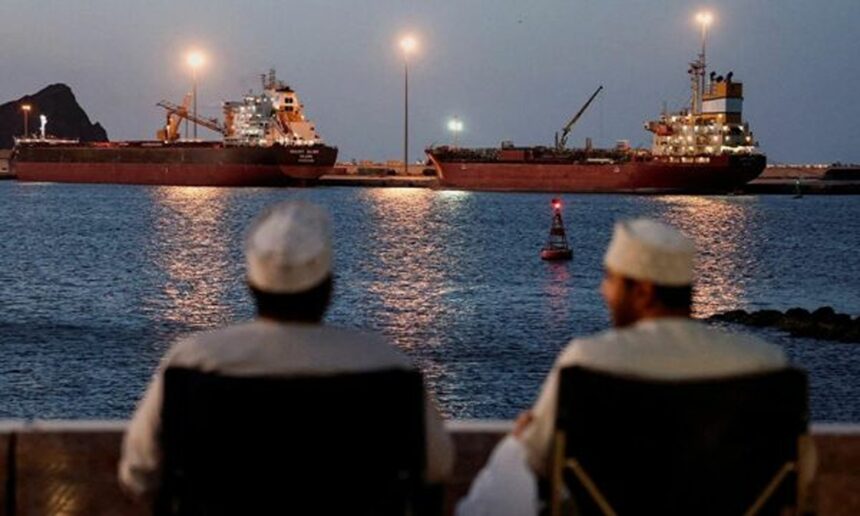
Iran has reportedly started imposing informal transit fees on some commercial ships passing through the Strait of Hormuz, according to sources cited by Bloomberg.
The demands, according to the report, can reach up to $2 million per voyage and are set on a case-by-case basis, effectively creating an unofficial “toll” in one of the world’s most critical energy corridors.
Some vessels have already paid the fees, though it is unclear how or in what currency, and there does not appear to be a fully organized or universal system for fee collection. Transactions are reportedly conducted discreetly, increasing uncertainty about which ships might be targeted.
The Strait of Hormuz is a key chokepoint for global energy markets, with roughly one-fifth of the world’s oil and gas production passing through, as well as significant shipments of food, metals, and other goods.
This development comes as the Middle East conflict enters its fourth week, emphasizing the need for many nations to ensure uninterrupted energy flows. Limited transparency around payments is adding pressure on maritime transport, with few ships passing through since the conflict began, many of which are linked to Iranian interests.
A small number of foreign ships appear to be navigating close to the Iranian coast. India, which has secured passage for four LNG carriers from the Persian Gulf through the Strait, emphasized that international law guarantees freedom of navigation and that no country can impose tolls for using the maritime corridor.
Prime Minister Narendra Modi reportedly discussed the issue with U.S. President Donald Trump, including the implications for maritime transport and global energy security. Modi stated on social media that “ensuring the Strait of Hormuz remains open, safe, and accessible is vital for the entire world.”
Iran’s Foreign Ministry did not immediately respond to requests for comment, and telecom and internet restrictions remain in effect in the country.