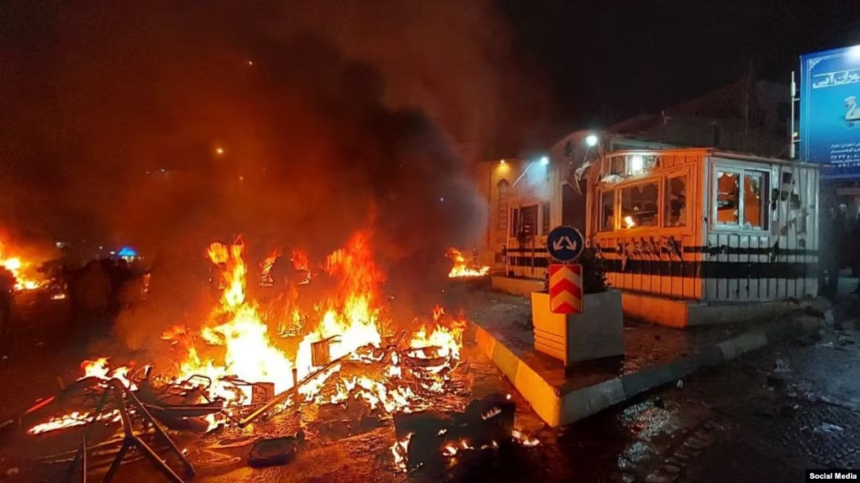
Internet shutdowns continue across Iran as the reported death toll from recent nationwide protests rises, with some estimates suggesting it could exceed 30,000.
According to NetBlocks, the digital rights monitor, internet access in Iran has been interrupted for over 400 hours, with brief reconnections creating the illusion of a broader restoration. Tools like VPNs have allowed only limited online communication.
Human rights organizations note that the blackout has severely hindered protest coordination and restricted independent verification of casualties. The U.S.-based HRANA reports 5,459 confirmed deaths and 17,031 still under investigation, while a Time magazine report cites two senior Iranian health officials who suggest the toll could surpass 30,000.
Most casualties occurred on January 8–9, when the government’s crackdown reached its peak. The official Iranian death toll remains 3,117, according to the Supreme National Security Council, highlighting a stark discrepancy with independent estimates and international assessments. The UN has also warned that the death toll may exceed 20,000, with Mai Sato, UN special rapporteur for human rights in Iran, expressing deep concern.
Reports also reveal the severe strain on medical facilities. At Tehran’s Farabi Hospital, around 1,000 patients suffered eye injuries from rubber bullets on January 9 alone, compared with just 55 cases in preceding days. Hospitals ran out of beds, and nearly 200 patients had to be transferred to other facilities.
The economic impact of the internet blackout is significant. Trade officials report that businesses are limited to 20 minutes of daily supervised internet access, causing daily losses estimated at 18–28 million USD.
The Teachers’ Unions Coordination Council has published names of over 40 students reportedly killed, with plans to update the list as new information becomes available.
The crackdown has drawn domestic criticism, including from Sunni cleric Molavi Abdolhamid Esmailzehi, who described the killings as a “systematic massacre” and warned of deepening societal divisions in Iran.
The ongoing situation underscores the human, political, and economic toll of Iran’s protests and government response.