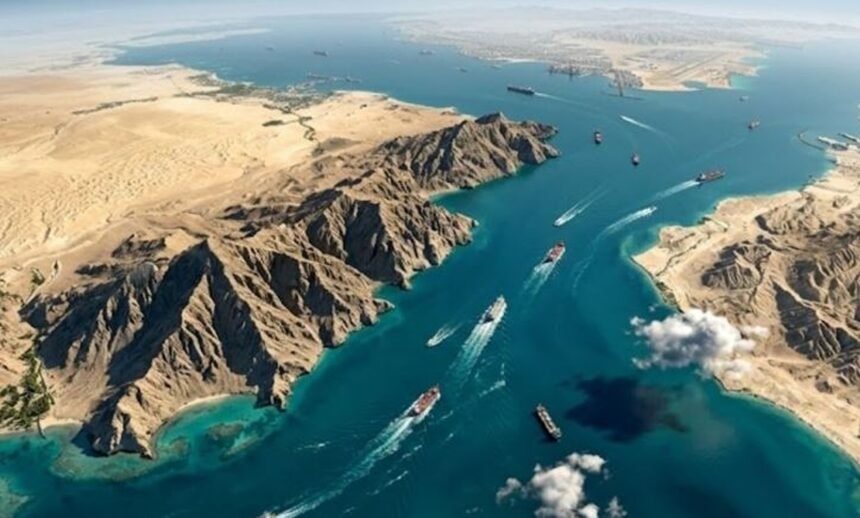
With the deadline set by the United States for reopening the Strait of Hormuz approaching, Tehran has rejected any immediate measures to reopen the strategic waterway, prolonging a five-week standoff between the two countries.
The U.S. administration, led by President Donald Trump, has warned of severe repercussions for Iran if a deal is not reached by the end of Tuesday that would allow the resumption of energy shipments through the critical global supply route.
A Pakistani-mediated plan, developed after intensive overnight talks on Monday, proposed an immediate ceasefire followed by broader negotiations to be concluded within 15 to 20 days. Pakistan’s Army Chief, Field Marshal Asim Munir, reportedly remained in contact throughout the night with U.S. officials, including Vice President JD Vance and Special Envoy Steve Witkoff, as well as Iran’s Foreign Minister Abbas Araqchi, according to Reuters sources.
The Iranian Foreign Ministry stated that Tehran had outlined its positions and demands based on national interests and communicated them via intermediaries in response to ceasefire proposals. Ministry spokesperson Esmaeil Baghaei emphasized that the details of Iran’s response would be announced at the appropriate time, noting that the proposed negotiations were “incompatible with ultimatums and threats of committing war crimes.”
“Iran does not hesitate to clearly express what it considers legitimate demands, and this should not be interpreted as a sign of compromise, but rather as a reflection of its commitment to defending its positions,” Baghaei said. He added that previous U.S. proposals, including a 15-point plan, were rejected as excessive. A senior Iranian official also told Reuters that Iran would not reopen the Strait as part of a temporary ceasefire, nor accept deadlines or pressure to reach an agreement. The U.S., meanwhile, was reportedly not ready for a permanent ceasefire.
In a related development, the death toll from an Iranian missile strike in Haifa has risen to four. Rescue teams recovered the bodies of a couple in their 80s, as well as their adult son (around 40) and his partner (around 35), a foreign national, buried under the rubble. According to Tel Aviv media, all four had sought shelter in stairwells during the attack.