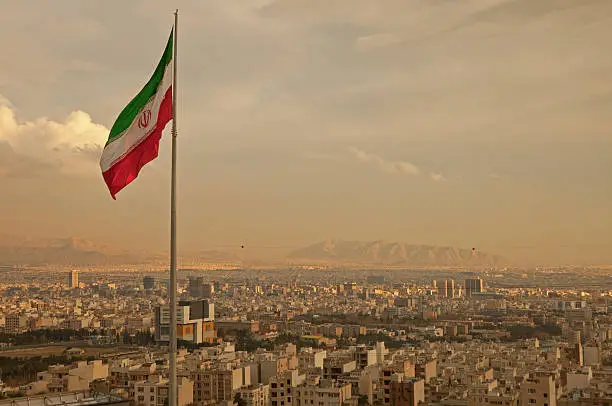
The Iranian government has announced it is prepared to enter into dialogue with protest leaders following demonstrations in Tehran and other cities sparked by the sharp depreciation of the national currency and rising inflation, Reuters reported on Tuesday.
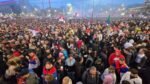
The protests, which also involved traders in Tehran’s Grand Bazaar, took place on Sunday and Monday and were triggered by the collapse of the Iranian rial, which has accelerated inflation and led to the resignation of the central bank governor. According to state media, the demonstrations represent the latest wave of unrest in the Islamic Republic, which has experienced repeated protests in recent years.
President Masoud Pezeshkian said in a social media post late Monday that he had instructed the interior minister to listen to the protesters’ “legitimate demands.”
Government spokesperson Fatemeh Mohajerani confirmed that a formal dialogue mechanism will be established and will include talks with protest leaders.
“We officially acknowledge the protests. We hear their voices and understand that this stems from the natural pressure on people’s livelihoods,” Mohajerani said in remarks broadcast by state media on Tuesday.
Rial Hits Record Low
The Iranian rial has fallen sharply as the economy continues to suffer under the weight of Western sanctions, hitting a record low on Monday of approximately 1,390,000 rials per US dollar, according to websites tracking open-market exchange rates.
“We have fundamental measures on the agenda to reform the monetary and banking system and to preserve people’s purchasing power,” President Pezeshkian wrote on X.
Iranian media have reported that the government’s recent economic liberalisation policies have added pressure to the open currency market, where ordinary Iranians buy foreign exchange.
Background of Repeated Unrest
Iran has experienced recurrent waves of protests, including nationwide demonstrations in 2022 over rising prices, particularly for staple goods such as bread.
Between 2022 and 2023, the country’s clerical leadership faced its boldest unrest in years following the death of Mahsa Amini, a young Iranian Kurdish woman who died in police custody after being detained by the morality police for allegedly violating strict dress codes.
Previous protests were violently suppressed by security forces, with widespread arrests rather than dialogue.
International Pressure Remains High
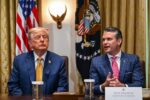
Iran remains under intense international pressure, as US President Donald Trump said on Monday that he could support another round of Israeli air strikes if Tehran resumes work on ballistic missile development or nuclear weapons programs.