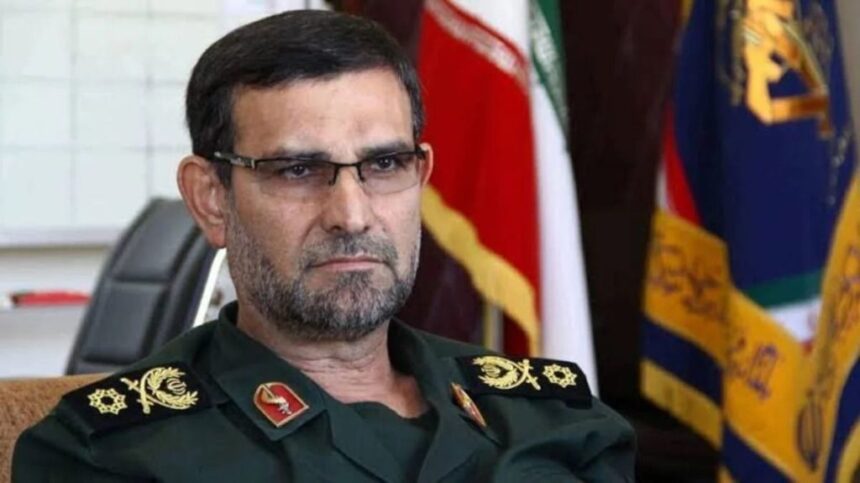
Alireza Tangsiri, head of the naval forces of the Islamic Revolutionary Guard Corps (IRGC), has reportedly been killed in an airstrike in southern Iran, in a development that could further intensify instability across the Middle East.
According to reports citing Israeli officials, the 64-year-old commander was targeted in the port city of Bandar Abbas, located near the strategically critical Strait of Hormuz—a vital maritime corridor through which roughly one-fifth of global oil exports pass.
Tangsiri was considered a central figure in maintaining Iran’s military posture in the region, particularly in asserting control over the Strait of Hormuz. Under his leadership since 2018, the IRGC Navy expanded its operational footprint, including the deployment of naval mines and actions targeting vessels perceived as hostile.
In recent weeks, he had significantly escalated rhetoric, warning that oil infrastructure linked to the United States could be treated as legitimate military targets amid rising hostilities.
The strike comes at a time of heightened conflict between Iran and its adversaries, with Donald Trump reportedly pushing for a rapid end to the confrontation. According to sources familiar with White House discussions, Trump has expressed a desire to conclude the conflict within weeks, ahead of a planned meeting with Xi Jinping.
Trump has also claimed that Iran is engaging in indirect negotiations, suggesting that Tehran may be open to a deal but reluctant to publicly acknowledge it due to domestic political sensitivities.
The killing of Tangsiri marks a significant blow to Iran’s military leadership and could trigger further escalation in the region, with potential ripple effects on global energy markets and international security.
Analysts warn that any disruption in the Strait of Hormuz could have immediate consequences for oil prices and supply chains worldwide, underscoring the broader economic risks tied to the ongoing conflict.