Iran has firmly rejected calls by Donald Trump to reopen the Strait of Hormuz, signaling further escalation in tensions in the region.
A social media account attributed to the naval forces of the Islamic Revolutionary Guard Corps (IRGC) stated that the strait “will never return to its previous state, especially for America and Israel.” The statement added that the IRGC Navy is finalizing operational preparations for what Iranian officials describe as a “new order” in the Persian Gulf.
The remarks appear to reference a plan reportedly approved by Iran’s parliament, which could involve charging certain vessels for passage and restricting ships linked to the United States and Israel from crossing the strait. According to maritime intelligence reports, Iran may already be operating a form of “pay-to-pass” system, with some shipping companies allegedly making payments in Chinese currency.
Analysts suggest Iran is unlikely to reopen the strait soon, as it represents one of its most powerful strategic levers against the United States.
Ali Vaez of the International Crisis Group stated that Iran views control over the strait as “more powerful than even a nuclear weapon,” highlighting its importance in geopolitical calculations.
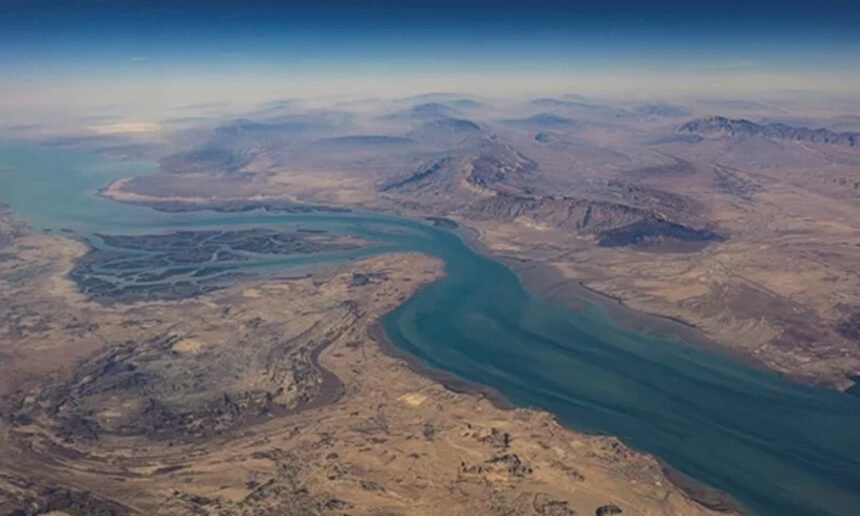
Experts also warn that any military attempt to reopen the waterway carries significant risks. The Strait of Hormuz, which separates Iran and Oman, is only about 33 km wide at its narrowest point, with shipping lanes just 3 km wide in each direction—making vessels and military forces highly vulnerable targets.
The situation underscores growing global concern, as disruptions in this critical passage could have severe consequences for energy supplies and international trade.