Israeli Finance Minister Bezalel Smotrich said Monday that Israel should expand its border with Lebanon up to the Litani River in the country’s south.
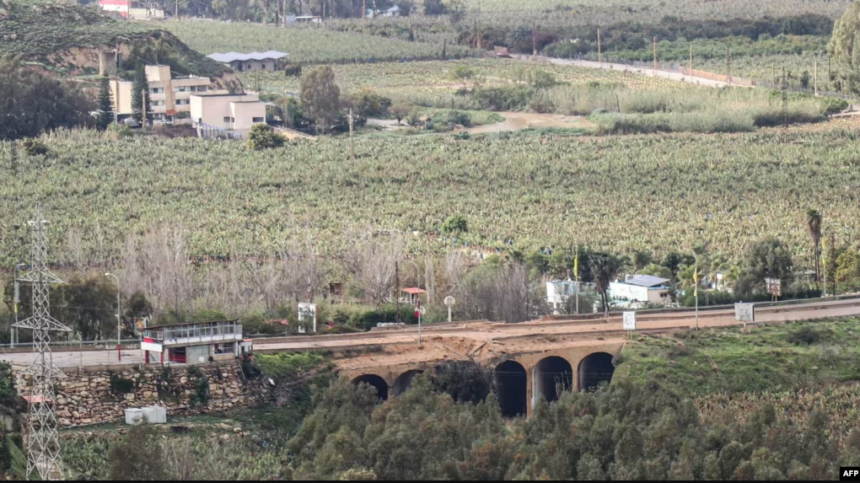
His comments come amid an escalation of Israeli attacks on southern Lebanon, including airstrikes on bridges and the destruction of homes. Smotrich’s statements are the most direct from a senior Israeli official advocating territorial acquisition in what Israel frames as a campaign against Iran-backed Hezbollah militants, considered a terrorist organization by the U.S. and other powers.
Lebanon has been drawn into regional conflict since March 2, when Hezbollah fired rockets into Israel. Israel has ordered residents in southern areas near the Litani River to evacuate while conducting bombardments targeting what it calls Hezbollah strongholds. Israeli forces reported killing a commander of Iran’s elite Quds Force in Beirut during Monday strikes.
Lebanese authorities say Israeli air and ground attacks have killed over 1,000 people and displaced more than one million from their homes.
Smotrich told Israeli radio that the military campaign “must end with a completely different reality, regarding both Hezbollah and Israel’s borders.” He stated clearly, “The new Israeli border should be the Litani.”
Smotrich, leader of a small far-right party in Prime Minister Benjamin Netanyahu’s cabinet, frequently makes statements beyond official Israeli policy. Prime Minister Netanyahu’s office did not immediately comment. Earlier this month, Defense Minister Israel Katz hinted that Lebanon could face territorial losses if Hezbollah is not disarmed.
Smotrich’s remarks have drawn significant attention in Lebanon, which has long struggled to recover from decades of Israeli incursions. Israeli forces occupied southern Lebanon from 1982 to 2000 and have carried out repeated operations since 1978.
The Lebanese government has banned Hezbollah military activity and is seeking direct talks with Israel, relying on international support to pressure Israel toward ending the conflict. Israeli forces say their operations aim to neutralize Hezbollah and protect residents in northern Israel from attacks, after hundreds of rockets were fired from Lebanon since March 2.