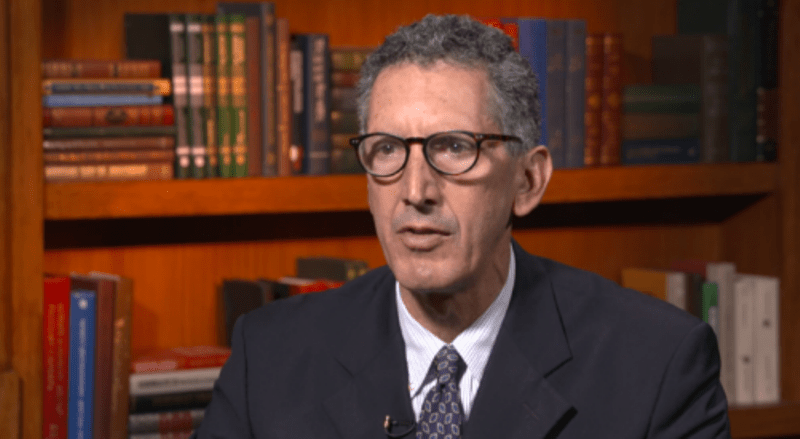
Edward P. Joseph, lecturer at Johns Hopkins University and expert on the Western Balkans, testified before the U.S. Congress that the key unmet condition for lasting stability in the region is Serbia’s acceptance of the Western order.
Speaking before the Subcommittee on Europe of the House Foreign Affairs Committee during a hearing titled “Hotspot: Path to Stability in the Western Balkans”, Joseph highlighted Serbia’s role in regional stability, its relations with Russia, and Western hesitation.
He told the Bosnian newspaper Avaz that the central question he posed was: “Why does this region, where the U.S., EU, and NATO have decisive influence, remain unstable?” According to Joseph, the primary condition for real and sustainable stability is for Serbia to accept the Western order for the region. This entails acknowledging the outcomes of past conflicts without seeking compensation in Bosnia and Herzegovina, Kosovo, or Montenegro, and embracing strategic partnerships with the U.S., EU, and NATO, rather than Russia, China, or other malign actors.
Joseph emphasized that the Trump administration could capitalize on opportunities missed by President Biden, particularly regarding Serbia’s orientation towards the West. He noted that the U.S. should remain firm in pushing for Russian withdrawal from Serbia’s NIS oil company, warning that nationalizing NIS could create a serious rift between Moscow and Belgrade, paving the way for further strategic steps.
According to Joseph, the U.S. has a unique chance to resolve the unfinished drama of Yugoslavia’s dissolution, particularly in Kosovo. He stressed that Trump enjoys significant popularity in Serbia and could leverage this to encourage Serbia and Kosovo to pursue NATO membership together, potentially transforming regional relations and addressing historical tensions, including Srebrenica.
Joseph also criticized the Biden administration’s approach as unbalanced, citing incidents in 2023 where Kosovo faced attacks and abductions, yet Serbia faced no consequences, leading to continued instability in the region.
On the topic of Republika Srpska, Joseph called it a fundamental flaw in the Dayton Agreement, highlighting the unresolved issue of creating a Serb-majority association of municipalities in Kosovo.