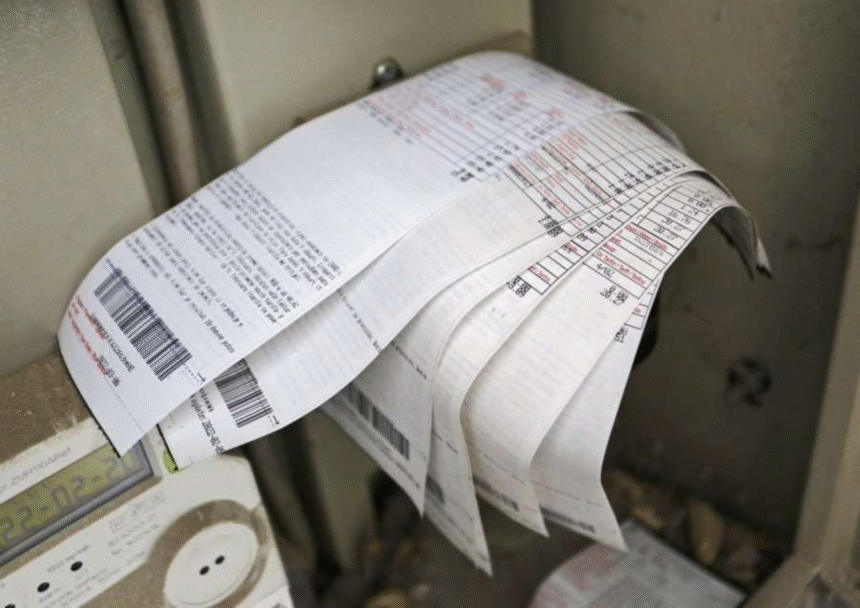
Kosovo’s electricity supply company KESCO has requested a 21.3% increase in electricity tariffs for 2026, submitting its proposal to the Energy Regulatory Office (ERO) for review and approval.
The request has now entered the regulatory evaluation phase, during which ERO will decide whether to approve or reject the proposed price increase.
According to KESCO’s application for maximum allowed revenues, after accounting for projected operational and procurement costs, the Universal Service Supplier (USS) has requested maximum permitted revenues of €528.78 million for 2026.
For comparison, allowed revenues for 2025 stood at approximately €435 million, a figure that had already been approved by the regulator.
Third Electricity Price Increase in Four Years
If approved, this would mark the third electricity price increase in the past four years:
- 2023: tariffs increased by 15%
- 2025: tariffs increased by 16.1%
- 2026 (proposed): increase of 21.3%
In contrast, 2024 saw a temporary reduction in tariffs:
- 8% decrease for household consumers exceeding 800 kWh
- 3% decrease for commercial and industrial consumers
Current Electricity Tariffs
At present, electricity prices for household consumers are structured as follows:
- Day tariff (below 800 kWh): 9.05 euro cents per kWh
- Night tariff (below 800 kWh): 3.88 euro cents per kWh
For consumption above the 800 kWh threshold:
- Day tariff: 15.43 euro cents per kWh
- Night tariff: 7.28 euro cents per kWh
Public Impact and Regulatory Responsibility
The proposed increase is expected to significantly affect household budgets and business operating costs, particularly given Kosovo’s high dependence on electricity imports and rising living expenses.
The final decision now rests with ERO, whose ruling will be closely monitored amid growing public concern over energy affordability, regulatory oversight, and long-term sustainability of the electricity sector.