Britain’s King Charles III has publicly distanced himself from his brother Prince Andrew following the latter’s arrest over suspicions of misconduct in public office, a development that analysts say has triggered one of the most serious crises for the British monarchy in decades.
According to police, Andrew was arrested earlier at his residence on the Sandringham Estate, a private property owned by the monarch, before being released. He remains under investigation and no charges have been filed.
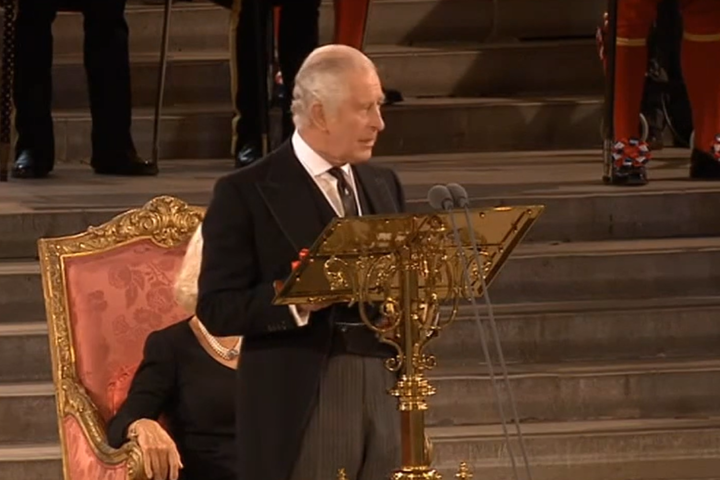
In a brief but firm statement, Charles said the authorities have the royal family’s “full and sincere support and cooperation,” emphasizing that the law must take its course. He concluded by stressing that he and his family will continue their duty and service to the public.
Sources cited by CNN say Prince William and Catherine, Princess of Wales backed the king’s stance, signaling unity among the senior members of the royal family.
The king’s response contrasts with that of his late mother, Queen Elizabeth II, who had faced criticism over her handling of earlier controversies surrounding Andrew’s links to Jeffrey Epstein and a civil sexual assault case brought by Virginia Giuffre, which was settled in 2021. Andrew has consistently denied all allegations.
Since ascending the throne in 2022, Charles has reportedly taken a firmer line with his brother, including stripping him of royal privileges and distancing the monarchy from the scandals that have overshadowed Andrew for years.
Thursday’s arrest — carried out by unmarked police vehicles arriving early at Andrew’s temporary residence — occurred on his 66th birthday and has intensified scrutiny on the royal family. While the arrest does not imply guilt, it marks another dramatic chapter in Andrew’s long fall from public life.
Observers say the unfolding investigation and the palace’s public stance underline a clear message from the king: duty to the state comes before personal or family loyalties.