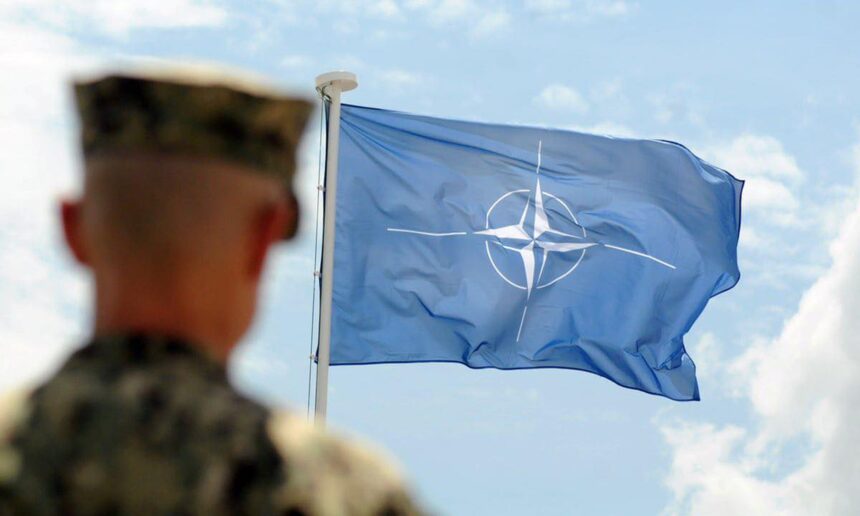
NATO continues to consider lasting stability in the Western Balkans and its mission in Kosovo as a strategic priority, according to its annual report presented in Brussels by Secretary General Mark Rutte.
The report reaffirms NATO’s support for the normalization dialogue between Kosovo and Serbia, a process facilitated by the European Union.
According to the document, NATO—through its peacekeeping mission KFOR—has the mandate to ensure a safe and secure environment for all communities in Kosovo.
“NATO continues to support the normalization of relations between Belgrade and Prishtina, particularly through the EU-facilitated dialogue, which is key to building sustainable peace in the region,” the report states.
The document, which also analyzes security risks to the alliance, identifies Russia as the greatest and most direct threat.
“Russia remains the most significant and direct threat to security in the Euro-Atlantic area. Over the past year, Russia has sought to test our security and challenge our societies through airspace violations, sabotage, malicious cyber activities, political interference, and informational threats. NATO’s response to reckless provocations—whether from Russia or other actors—has been clear, swift, and decisive,” the report adds.
This growing threat perception has led NATO to significantly increase defense spending. Secretary General Mark Rutte highlighted a 20% rise in defense expenditures, showing that member states are moving toward the goal of investing up to 5% of GDP in defense—an objective agreed upon at the latest summit in The Hague.
The report also warns that if Russia were to attack a NATO member, it could potentially target energy infrastructure. However, the Secretary General emphasized that the alliance remains fully prepared to defend every member state.