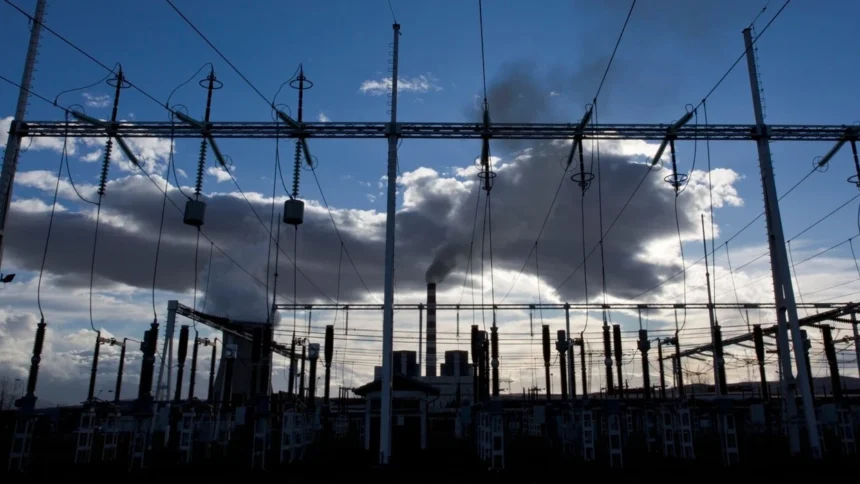
The European Network of Transmission System Operators for Electricity (ENTSO-E) has not ruled out the possibility of financial penalties against Kosovo’s transmission system operator, KOSTT, following energy imbalances recorded in the Continental Europe synchronized grid last month.
According to ENTSO-E, under the Connection Agreement, KOSTT is obligated to maintain a stable and balanced electricity system to ensure the security of the wider European energy network. In a response to Dukagjini Television regarding questions submitted on January 15, the organization confirmed that failure to meet these obligations could result in financial sanctions, depending on the severity and nature of the violations.
ENTSO-E emphasized that transmission system operators (TSOs) across Continental Europe are closely monitoring the situation and continuously assessing whether corrective measures are required.
The organization explained that the shutdown of the B1 unit at the “Kosova B” thermal power plant on January 12, 2026, caused significant disruptions. The outage led to a sudden shortfall in electricity production, and by the following day, KOSTT was unable to maintain balance within its network, triggering energy imbalances that affected interconnected European transmission systems. These operators were forced to compensate for the deviations to stabilize the grid.
To prevent further consequences, KOSTT introduced electricity supply reductions for consumers until the B1 unit returned to operation on January 14. However, additional imbalances occurred again on January 20, after KESCO reportedly nominated 26% less energy than the actual consumption demand, forcing KOSTT to reintroduce power reductions.
Despite these challenges, no official announcement has yet been made regarding financial penalties against KOSTT. Nevertheless, the situation highlights ongoing concerns about Kosovo’s energy infrastructure and the importance of maintaining operational stability within the European electricity system.