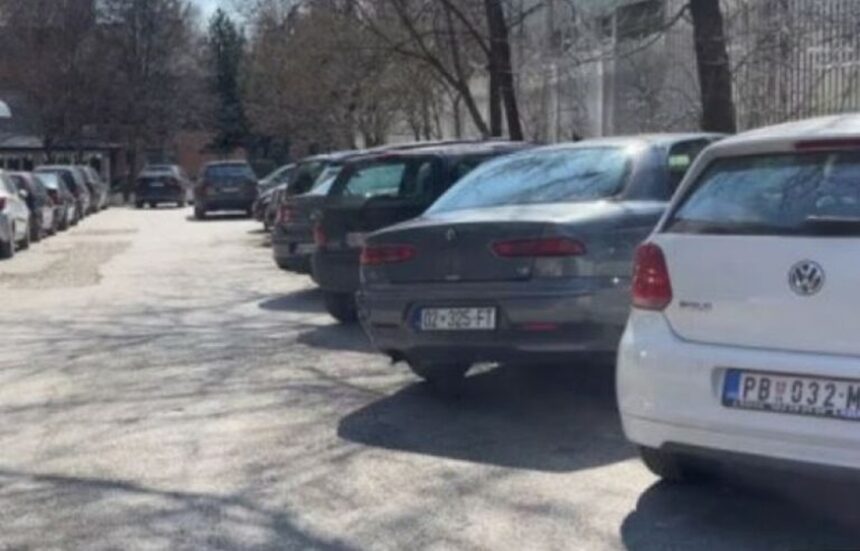
The Kosovo Police has begun strict implementation of the Law on Foreigners and the Law on Vehicles across Kosovo, introducing new rules on the stay of foreign citizens and the use of vehicles with foreign license plates.
In North Mitrovica, authorities have already issued 40 warnings to individuals who failed to comply with the new regulations.
Valon Arifi from Preševo Valley, who has been living in Kosovo for years and holds Kosovar citizenship, says the vehicle law poses challenges for many residents from the Valley. He explains that many still use cars registered in Serbia, and under the new rules, they can only use them in Kosovo for up to three months before the vehicle must remain outside the country for another three months.
Arifi called on Kosovo institutions to facilitate citizenship for residents of the Preševo Valley, many of whom have had their addresses deactivated by Serbian authorities.
According to Qëndrim Bytyqi from the Ministry of Internal Affairs, the Law on Foreigners defines three types of stay in Kosovo:
- Short-term stay (up to 90 days within 180 days, without the right to work)
- Temporary residence permits (including for employment purposes)
- Permanent residence for those who have lived long-term with temporary permits
Regarding vehicles, the law states that Kosovo citizens living abroad can use foreign-registered vehicles in Kosovo for up to three consecutive months, after which they must exit the country before re-entering.
Meanwhile, Deputy Police Director for the northern region, Veton Elshani, confirmed that enforcement has already begun, emphasizing that Kosovo citizens are no longer allowed to drive foreign-registered vehicles—such as those from Serbia—without proper authorization.
The Ministry of Internal Affairs of Kosovo, in cooperation with the Kosovo Police, has also launched an application for foreign nationals to declare their address upon entering the country.