Ahead of Kosovo’s snap parliamentary elections on December 28, women make up only one-third of the candidates, highlighting persistent gender imbalance in the country’s political landscape.
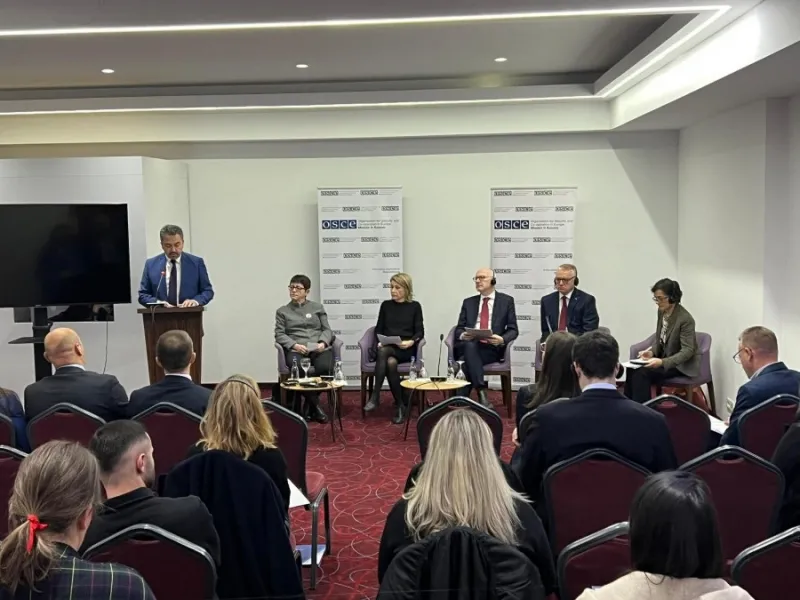
Out of 1,180 certified candidates, 789 (66.86%) are men, while 391 (33.13%) are women, according to data from the Central Election Commission (CEC). The information was shared by CEC Chair Kreshnik Radoniqi during a discussion organized by the OSCE Mission in Kosovo and the French Embassy on women’s participation in the electoral process.
Gender Imbalance Raises Concerns
Radoniqi stressed that empowering women in democratic life is a cornerstone of institutional and social development. Despite this, the stark underrepresentation in candidate lists shows that Kosovo still has significant work to do to achieve gender parity in politics.
Both the French Ambassador to Kosovo, Olivier Guerot, and the OSCE Head of Mission, Ambassador Gerard McGurk, called for greater commitment to strengthening women’s roles in public institutions. Analysts argue that without enforced quotas or stronger support measures, the political system risks maintaining male-dominated decision-making structures, undermining true democratic inclusivity.
Looking Ahead
As Kosovo prepares for a critical vote amid political deadlock, the low participation of women candidates may impact policy priorities and the representation of diverse perspectives in parliament. Experts urge political parties to actively promote female participation to reflect Kosovo’s democratic aspirations.