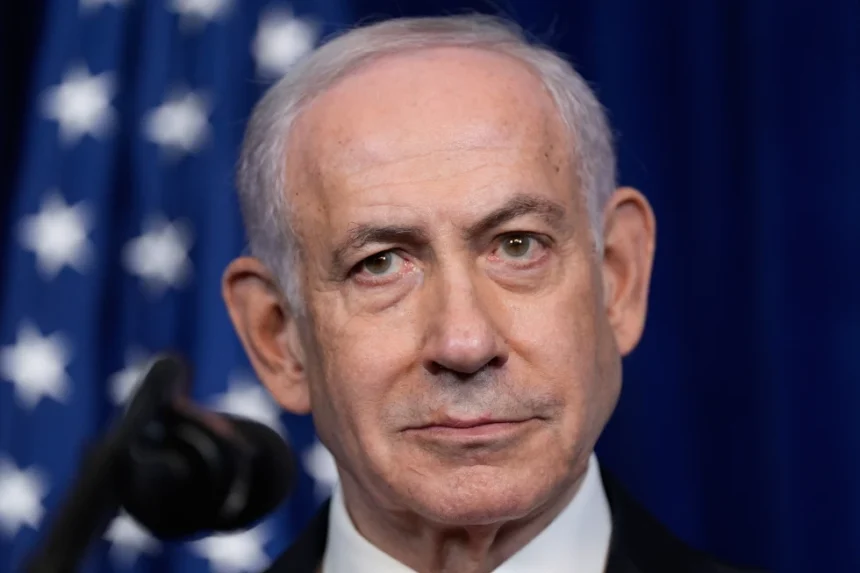
Israeli Prime Minister Benjamin Netanyahu has agreed to join U.S. President Donald Trump’s newly formed “Board of Peace,” despite earlier objections from his own office over the structure and political composition of the initiative.
Netanyahu confirmed the decision on Wednesday, marking a shift from initial criticism voiced by Israeli officials regarding the board’s executive committee, which includes Turkey — a regional rival of Israel.
From Gaza Ceasefire to Global Ambitions
The Board of Peace, chaired by President Trump, was originally conceived as a limited group of world leaders tasked with overseeing the Gaza ceasefire plan. However, the initiative has rapidly expanded in scope.
Trump has invited dozens of countries and hinted that the board could evolve into a global conflict-broker, raising concerns among diplomats and international institutions.
Countries already participating include the United Arab Emirates, Morocco, Hungary, Kazakhstan, Belarus, Vietnam, and Argentina. Others — such as the United Kingdom, Russia, and the European Union’s executive arm — have confirmed receiving invitations but have not yet committed.
Israeli Concerns and Internal Opposition
Earlier, Netanyahu’s office publicly criticized the board’s executive committee, stating that its composition was not coordinated with Israel and conflicted with government policy, without providing further details.
Israel’s far-right Finance Minister Bezalel Smotrich openly opposed the initiative, arguing that Israel should unilaterally determine Gaza’s future, reflecting deep divisions within the Israeli government.
Controversy Over the United Nations
Trump’s remarks suggesting that the Board of Peace could potentially replace the United Nations have triggered international backlash.
“It might,” Trump said when asked if the board should supplant the U.N., adding that the organization “has never lived up to its potential.”
French Foreign Minister Jean-Noël Barrot rejected the idea, stating:
“Yes to implementing the peace plan… but no to creating an organization that would replace the United Nations.”
Trump also sparked controversy with personal remarks about French President Emmanuel Macron, questioning his political longevity before later softening his tone.
Powerful Figures on the Executive Board
The board’s executive leadership includes U.S. Secretary of State Marco Rubio, Trump envoy Steve Witkoff, Jared Kushner, former UK Prime Minister Tony Blair, World Bank President Ajay Banga, and senior business and security officials.
In parallel, the Gaza Executive Board has been established to implement the second phase of the ceasefire, including disarming Hamas, deploying an international security force, and rebuilding Gaza.
Former UN Middle East envoy Nickolay Mladenov will oversee day-to-day operations, alongside representatives from Turkey, Qatar, Egypt, the UAE, Israel, and the Netherlands.
Unanswered Questions Remain
As Trump prepares to unveil further details at the World Economic Forum in Davos, key questions persist regarding the board’s authority, legitimacy, and long-term impact on global governance.
For now, Netanyahu’s decision to join reflects a calculated diplomatic move, even as the initiative faces growing international skepticism.