Poland has decided to resume the production of anti-personnel landmines for the first time since the Cold War, with plans to deploy them along its eastern border and potentially export them to Ukraine, according to Poland’s Deputy Minister of Defense in statements to Reuters.
As part of a broader regional shift, nearly all European countries bordering Russia—with the exception of Norway—have announced plans to withdraw from the global treaty banning anti-personnel mines. Poland aims to use these mines to strengthen its borders with Belarus and Russia.
“We are interested in large quantities as soon as possible,” said Deputy Defense Minister Paweł Zalewski.
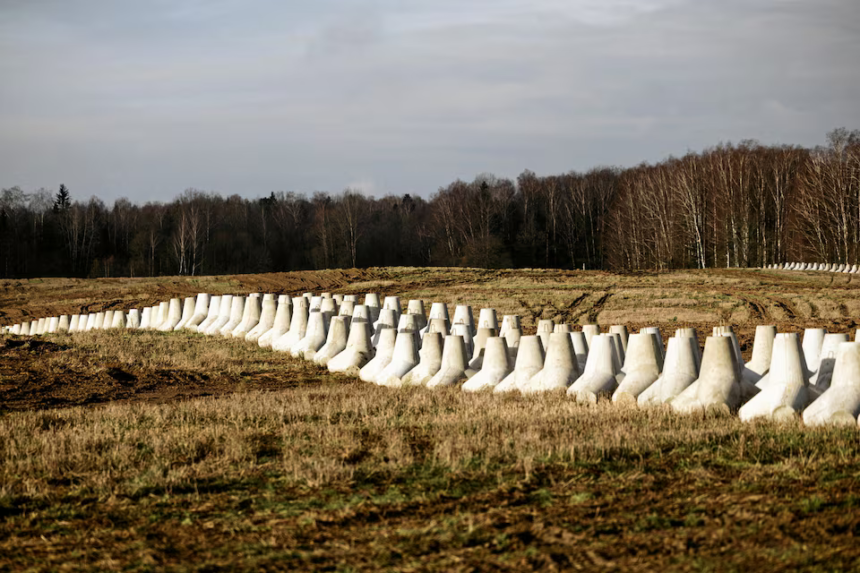
“Eastern Shield” Defense Program
The landmines will be incorporated into Poland’s “Eastern Shield” defense initiative, which seeks to fortify the borders with Belarus and the Russian exclave of Kaliningrad.
Asked whether production could begin next year following the completion of Poland’s withdrawal from the Ottawa Convention, Zalewski replied:
“I would very much like that… We have such needs.”
Poland initiated the withdrawal process from the Ottawa Convention in August, having previously stated it could restart production if necessary, though without a formal decision. Zalewski’s remarks represent the first official confirmation that Warsaw will move forward with this step.
According to the Landmine and Cluster Munitions Monitor, Poland informed the United Nations in 1995 that it had abandoned anti-personnel mine production in the mid-1980s and had ceased exports.
Millions of Mines Planned
The state-owned defense company Belma, which already supplies the Polish military with other types of mines, stated that Poland could be equipped with millions of mines under the “Eastern Shield” program to secure its 800-kilometer eastern border.
“We are preparing for Polish demand to reach 5–6 million mines of all types,” said Belma CEO Jarosław Zakrzewski.
Although the Ministry of Defense has not yet placed an order, Belma says it could produce up to 1.2 million mines next year, including anti-personnel mines. Currently, the company produces about 100,000 mines annually.
Possible Exports to Ukraine and NATO Allies
Zalewski emphasized that supplying Ukraine would depend on production capacity, stating:
“Our starting point is our own needs. But for us, Ukraine is an absolute priority, because the European and Polish security line is on the Russia–Ukraine front.”
Zakrzewski confirmed that exports to Ukraine are possible, adding that NATO countries bordering Russia, including the Baltic states, have already expressed interest in purchasing anti-personnel mines.
While Poland’s needs will take priority, any surplus production could be supplied to regional allies.
Earlier this year, Lithuania and Finland announced expectations to begin producing anti-personnel mines next year, amid growing concerns over Russia following its full-scale invasion of Ukraine in 2022. Latvia and Estonia are also withdrawing from the treaty, though they have not yet announced production plans, noting they could act quickly if required.