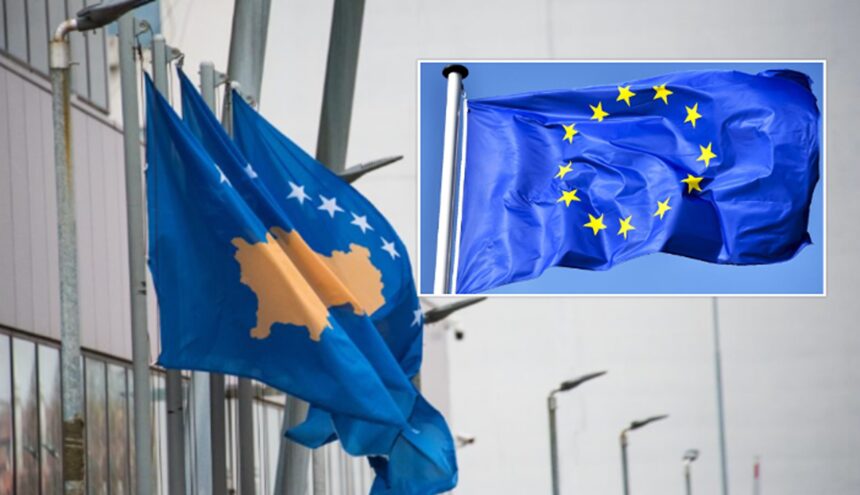
Economists and analysts have warned that political deadlock and delays in certifying election results are causing significant financial losses for Kosovo, keeping the country from accessing European Union funds under the Western Balkans Growth Plan.
Experts say the current situation is unprecedented and slows Kosovo’s EU integration agenda, creating space for geopolitical influences that conflict with the country’s Euro-Atlantic interests.
Emrush Ujkani, Executive Director of the European Investors Council, told Ekonomia Online that delays in forming new institutions and processing agreements in Parliament could result in serious economic and investment losses. He emphasized that Kosovo has already experienced negative consequences from similar delays last year.
“We already had a bad experience last year, and unfortunately some opportunities were lost. If we are not vigilant and do not establish institutions according to legal and constitutional deadlines, the country could face significant losses. Other processes, like budget approval, also depend on timely actions. Delays in recounts and election complaints can cause further setbacks,” Ujkani said.
He stressed that international agreements should be processed in Parliament as soon as preliminary election results are announced.
“Agreements need to be approved as quickly as possible in Kosovo’s Parliament. This is essential for the country, society, and economy, as well as for Kosovo’s integration processes. The government must act immediately upon receiving a full mandate to move these procedures forward,” he added.
Political analyst Afrim Kasolli described the current situation as one of many episodes of international losses Kosovo faces due to political deadlock.
“This is just one example of the international setbacks Kosovo has suffered since being in political gridlock from February last year until today. It is unprecedented that at a time when Kosovo needs financial support due to economic crises, we cannot access EU funds under the Western Balkans Growth Package,” Kasolli said.
Kasolli noted that delays directly impact Kosovo’s integration agenda, as these funds are intended to improve infrastructure, the economy, and governance, while countering geopolitical actors hostile to the EU and US, particularly China and Russia.
He added that internal political crises are seriously harming Kosovo’s position in relation to the EU:
“Unfortunately, Kosovo’s internal political games, by holding the state hostage consciously or unconsciously, serve an anti-European agenda and harm the integration process for both Kosovo and the region,” Kasolli said.
According to data, out of six Western Balkan countries, only Kosovo and Bosnia and Herzegovina have yet to benefit from the EU Growth Plan. While Bosnia is blocked by Republika Srpska, Kosovo has faced political crisis since February 9, leading to elections on December 28, 2025.
So far, the countries benefiting most from the plan are Serbia (€167 million+), Albania (€163 million+), North Macedonia (€80 million+), and Montenegro (€45 million+).