Proposed amendments to Serbia’s Public Prosecutor Law could halt several critical investigations into organized crime and corruption, according to legal experts and sources familiar with the Organized Crime Prosecutor’s Office (TOK).
The amendments, submitted by SNS parliamentarian Olja Petrović, would remove more than half of the prosecutors currently working at TOK, effectively ending their tenure within 30 days of adoption. Prosecutors seconded from other offices would be returned to their original jurisdictions. Critics warn that this could halt ongoing cases against high-level officials and criminal networks allegedly involved in drug trafficking and other serious crimes.
TOK currently has 20 of its planned 25 prosecutors in operation. Among those whose work could be disrupted are:
- Milenko Mandić – responsible for 29 preliminary investigations, 11 mutual legal assistance cases, and trials involving 82 defendants, including cases against Radoje Zvicer, alleged leader of the Kavač clan, and Nikola Vušović, accused of leading the “vračarci” group. He also handles proceedings against Dijana Hrkalović, Radoslav Cvijić, and others implicated in cocaine trafficking.
- Goran Jović – managing 44 preliminary investigations, 11 international cooperation cases, and six ongoing trials involving 63 defendants, including Darko Šarić and groups accused of running Balkan drug networks.
- Saša Drecun – in charge of 10 investigations with 70 defendants, 44 preliminary investigations, and 43 international cooperation cases, including the Jovanjica trials and cases against the Balkan cartel.
- Vesna Đorđević, Predrag Ćetković, Irena Bjeloš, Aleksandar Isailović, Mirjana Jovanović, Aleksandar Barać, Dragoljub Miladinović, and Nataša Trninić – each responsible for multiple high-profile investigations, including cases involving major drug trafficking, corruption, and organized crime networks operating across Serbia and Europe.
Since its establishment, TOK has confiscated assets valued at over €772 million, averaging more than €35 million per year. Analysts warn that the proposed amendments could suspend almost all ongoing investigations into cocaine trafficking networks and other organized crime operations, as well as cases arising from intercepted communications that the Serbian Interior Ministry has refused to hand over to TOK.
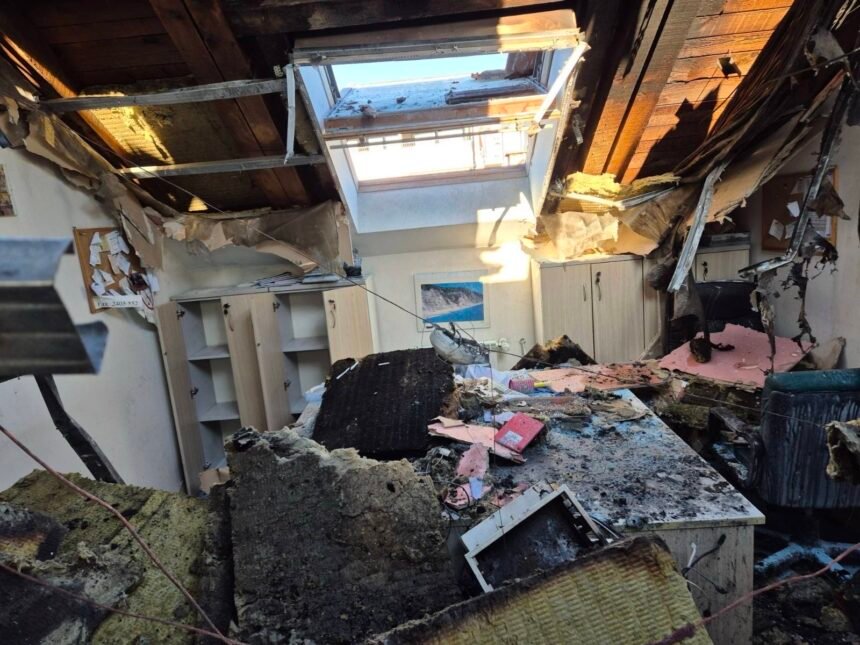
The timing of the amendments has raised further concerns following a fire in TOK offices, which destroyed key documents. While the cause of the fire remains under investigation, critics suggest it could have been an attempt to compromise ongoing cases.
Political observers accuse the ruling SNS party of using legislative changes to protect officials and organized crime networks from prosecution, highlighting a broader pattern of interference in the judicial process.
“The mafia responsible for trafficking tons of narcotics could hardly hope for better legal protection than that provided by these amendments,” one legal analyst told Insajder.