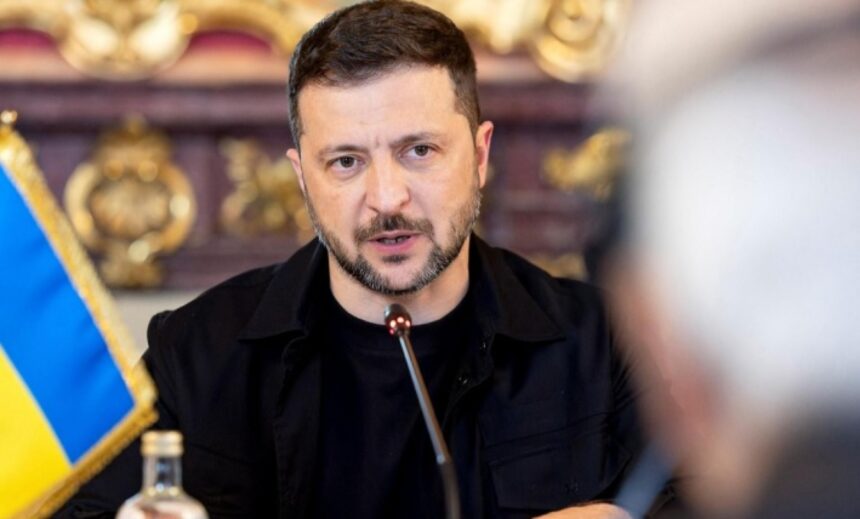
Ukrainian President Volodymyr Zelensky is holding talks with key European leaders as part of intensified diplomatic efforts to reach a peace agreement aimed at ending the war, which began nearly four years ago with Russia’s full-scale invasion of Ukraine.
The meetings come immediately after negotiations with United States representatives, which both sides described as constructive and productive, though officials stressed that significant work remains before a mutually acceptable agreement can be reached.
According to media reports, U.S. officials signaled notable progress on security guarantees sought by Kyiv, an issue considered central to any potential peace framework.
Ukraine Signals Willingness to Compromise
In a significant development, Zelensky has indicated that Ukraine is prepared to make concessions in the interest of peace. He stated that Kyiv could consider abandoning its bid for NATO membership, provided that robust and binding security guarantees are offered by Western allies.
There are also indications that Ukraine may accept a freezing of the conflict along current front lines, a move that could halt active hostilities but would fall short of a comprehensive resolution.
Territorial Integrity Remains a Red Line
Despite these signals of flexibility, the core issue of Russia’s occupation of Ukrainian territory remains unresolved. While Moscow continues to demand territorial concessions, Ukrainian officials insist that any formal recognition of occupied territories is unacceptable.
Kyiv maintains that changing Ukraine’s borders would violate the country’s Constitution and would not be accepted by the Ukrainian public, underlining the deep political and legal obstacles that still stand in the way of a final settlement.
European Role in Shaping the Outcome
Zelensky’s engagements with European leaders aim to align transatlantic positions and ensure that any agreement reflects Ukraine’s security needs and sovereignty, rather than rewarding Russian aggression.
As diplomatic efforts intensify, the coming days are expected to be crucial in determining whether momentum toward peace can be sustained, or whether talks will stall amid irreconcilable differences over territory and long-term security.