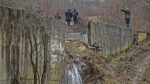
New revelations from the Special Prosecution’s indictment expose the scale of the threat Kosovo faced. According to the testimony of Jovan Vičentijević a member of the Serbian Army, arrested for the terrorist attack on the Ibër–Lepenc canal another attack had been planned for October 2024, and the operation was postponed solely to wait for the outcome of the U.S. elections.
According to his statement, Milan Radojičić internationally wanted and the mastermind behind violent operations in the north halted the attack until “the U.S. elections were over and Donald Trump won,” claiming he had allegedly financed Trump’s campaign through the “Serbian Lobby” with 30 million dollars.
This testimony appears in the official indictment, which outlines the extensive network of illegal activities, military training, and terrorist planning organized by Radojičić, his associates, and individuals tied to Serbian state structures.
Military Training, Serbian Commanders, and “Mami” of Banjska
Vičentijević testified that he and other Serbs from northern Kosovo had been sent to military training in Serbia, at Pasuljanske Livade in 2022 a training ground used by Serbian special forces. Serbian Army officers, identified by name and rank in the indictment, were present.
One of the key figures involved was Vladimir Radivojević, known as “Mami,” who is accused of leading the paramilitary–terrorist attack in Banjska.
Vičentijević himself is charged not only for the Ibër–Lepenc attack but also as part of the terrorist organization “Civil Protection,” and is directly linked to the Banjska attack.
Communication for Weapons Purchases and Assistance to the Banjska Terrorists
The indictment documents that Vičentijević communicated with armed groups in the north, including Živko Jakšić, a participant in the Banjska attack on 24 September. Through Viber, Jakšić sent him live locations requesting assistance in evading authorities.
Investigators also found Telegram messages discussing the purchase of weapons, ammunition, and military gear, as well as extensive digital evidence going back to March 2004.
His computer contained:
- photos from the 2011 attacks on the Jarinje and Brnjak border points,
- images from the 2004 unrest,
- photos of Kosovo Liberation Army (KLA) commanders with notes describing its structure,
- pictures from various strategic locations in Kosovo taken personally by Vičentijević.
A Failed Escape Attempt and Strong International Forensic Evidence
On 1 December, two days after the attack, Vičentijević attempted to flee by presenting a fake identity, hiding in the backseat of a car without documents, claiming he was only going to buy medicine in Zubin Potok.
Alongside local evidence, the Prosecution also secured:
- FBI soil analysis,
- Italian DNA testing of the explosive fuse,
- CCTV footage tracking the movements of Vičentijević and his brother Dragiša on the day of the attack.
All findings directly implicate him in the terrorist attack of 29 November 2024.