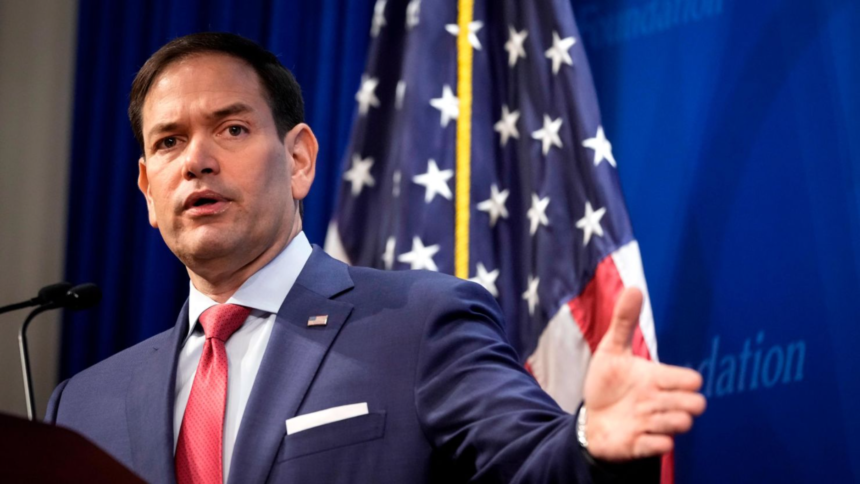
U.S. Secretary of State Marco Rubio on Wednesday strongly defended President Donald Trump’s military operation in Venezuela, while attempting to calm concerns among lawmakers and international allies over U.S. policy toward NATO, Greenland, Iran, and China.
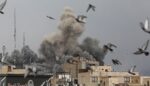
Testifying before the Senate Foreign Relations Committee, Rubio described the January 3 U.S. military raid that removed Venezuelan President Nicolás Maduro as a necessary action to eliminate what he called a major national security threat in the Western Hemisphere. He argued that the United States and the region are now safer as a result.
“We are certainly better off today in Venezuela than we were four weeks ago,” Rubio told senators, adding that progress toward stability would take time but was already underway.
Venezuela: No Further Military Action Planned
Rubio emphasized that the Trump administration does not intend to conduct additional military operations in Venezuela, walking back earlier prepared remarks that hinted at possible future action.
“We are not postured to nor do we intend or expect to have to take any military action in Venezuela at any time,” he said, noting that only an imminent and unforeseen threat could change that position.
He confirmed that Venezuela will soon be allowed to sell oil currently under U.S. sanctions, with revenues placed in a U.S. Treasury-controlled account. Funds would be released monthly, pending U.S. approval, to support essential services such as health care and policing.
Sharp Partisan Divide in Senate Hearing
Republican senators largely praised the Venezuela operation, while Democrats expressed deep skepticism, questioning whether the intervention could embolden Russia in Ukraine or China in Taiwan, and criticizing Trump’s confrontational rhetoric toward NATO allies and Denmark over Greenland.
Rubio dismissed those concerns, insisting that China’s plans regarding Taiwan are independent of U.S. actions elsewhere and that tensions within NATO over Greenland are easing.
“I think we’re going to get something positive done,” Rubio said regarding negotiations involving Denmark and Greenland.
NATO and Greenland
Addressing fears that Trump is undermining NATO, Rubio rejected that claim while reiterating a long-standing U.S. demand that European allies increase defense spending.
“NATO needs to be reimagined,” Rubio said. “This president complains about it louder than other presidents.”
He noted that technical talks with Denmark and Greenland on Arctic security are progressing, despite earlier alarm caused by Trump’s statements about taking control of Greenland.
Iran and the Middle East
Rubio also sought to downplay concerns about an imminent conflict with Iran, stating that there is currently no plan for military action. However, he confirmed that a strengthened U.S. military presence in the Middle East is intended to deter potential threats to American personnel.
He cautioned that any attempt to change Iran’s government would be far more complex than the Venezuela operation and would require extensive consideration.
Details of the Caracas Raid
Senate committee chairman Jim Risch revealed that the operation in Caracas involved approximately 200 U.S. troops and lasted less than 27 minutes, calling it “brief, targeted, and successful.” He added that international oversight may be necessary if Venezuela moves toward restoring democratic elections.
Rubio echoed that position, stating that the administration’s ultimate goal is free and legitimate democratic elections in Venezuela.
“What’s the end state? We want a Venezuela that has legitimate democratic elections,” he said.
The State Department also confirmed plans to send additional personnel to Caracas to prepare for the potential reopening of the U.S. Embassy, closed since 2019, marking a possible step toward restoring diplomatic relations.