Russia has accused Ukraine of engaging in “energy blackmail” after Kyiv reportedly blocked the transit of Russian oil to Hungary through Ukrainian territory, escalating tensions over energy flows in Central Europe amid the ongoing geopolitical conflict.
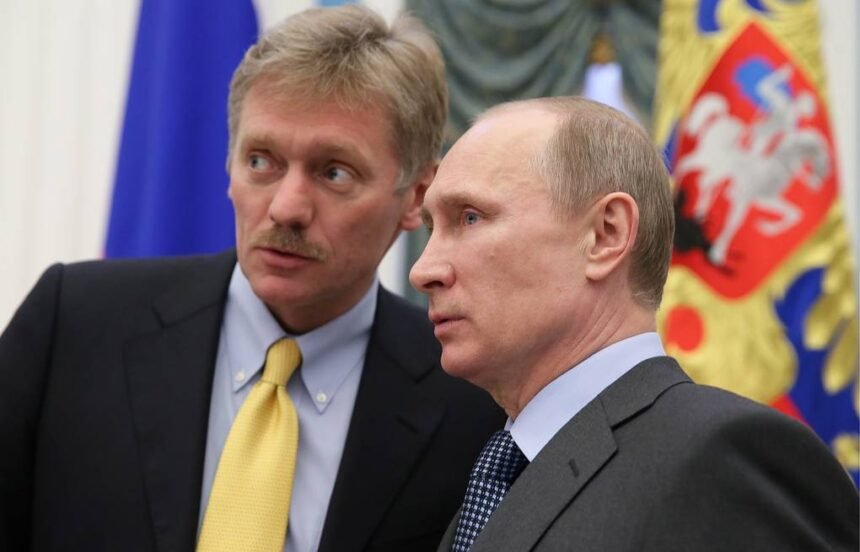
The accusation was made by Kremlin spokesperson Dmitry Peskov, who described the suspension of oil deliveries through the Druzhba pipeline as a politically motivated move targeting a European Union member state.
Moscow Claims Politically Motivated Energy Pressure
Speaking during a press conference in Moscow, Peskov said Russia remains in contact with European buyers but acknowledged that supply logistics have been complicated by Ukraine’s position.
“Certainly, a certain amount of energy blackmail by Ukraine against an EU member – Hungary – is taking place,” Peskov stated, adding that the situation has become increasingly complex due to Kyiv’s policies regarding transit routes.
The Druzhba pipeline has long been a critical energy corridor delivering Russian oil to several Central European countries, including Hungary and Slovakia, both of which rely heavily on imported energy resources.
Budapest and Bratislava Seek Alternative Supply Routes
Following the reported disruption, authorities in Hungary and Slovakia have turned to Croatia to explore alternative transportation options. Both governments have requested access to the Adriatic oil transit system to maintain stable fuel supplies.
The system is operated by JANAF, which manages infrastructure linking the maritime oil terminal in Omišalj with refineries and pipeline networks across Central Europe.
Potential Shift to Maritime Energy Transport
While Russia cannot directly deliver oil through the Adriatic pipeline network, officials say supplies could still reach Central Europe through maritime shipping routes. Under this scenario, Russian oil could be transported via tanker vessels to Croatia’s coastal terminals before being redirected inland through JANAF’s infrastructure, effectively bypassing Ukrainian territory.
Peskov characterized the evolving logistics as primarily commercial negotiations between energy companies, rather than direct political agreements.
“These are issues discussed at the corporate level between companies that provide supplies and have contractual obligations,” he noted.
Broader Energy and Geopolitical Implications
The dispute highlights growing vulnerabilities in European energy security as regional states attempt to balance supply diversification, geopolitical alliances, and infrastructure constraints. Analysts warn that disruptions to key transit routes such as the Druzhba pipeline could accelerate shifts toward alternative energy sources and transport corridors, potentially reshaping the continent’s energy map in the coming years.