Throughout 2025, Russian and Serbian officials and media intensified disinformation campaigns against Kosovo, focusing on distorting historical facts, electoral processes, and military modernization. These narratives aim to portray Kosovo as a destabilizing factor and victimize the Serbian community for political purposes.
February 9, 2025 Parliamentary Elections
Ahead of the elections, Russian media like Sputnik and Serbian officials, including Petar Petković, created a narrative depicting Albin Kurti as a leader exploiting the idea of “Greater Albania” for electoral gain. National symbols displayed at Vetëvendosje rallies, such as flags with portraits of Ismail Qemali and Isa Boletini, were misrepresented as support for territorial unification, even though Kurti never mentioned such ideas in public speeches. His campaign focused on criticism of past governments, increasing employment, combating criminal gangs in the north, and integrating Serbs into Kosovo’s system.
Serbian officials, including Prime Minister Miloš Vučević and Petar Petković, accused Kurti of fomenting anti-Serb hysteria and attempting to politically eliminate the Serb List. In reality, Kurti’s statements on armament referred to strengthening Kosovo’s defensive capacities, with no hateful language directed at Serb citizens.
October 12, 2025 Local Elections
Local elections were framed by Belgrade as a “national survival battle”, portraying votes for the Serb List as acts of loyalty to Serbia and President Aleksandar Vučić. Russian media such as RT Balkan and Sputnik Serbia described the process as an “existential struggle” against assimilation and “terror” by Kurti. Serbian officials encouraged ethnic mobilization, claiming the Serb List’s victories in nine out of ten Serb-majority municipalities represented a “restoration of control” over the north.
Arming of the Kosovo Security Force (FSK)
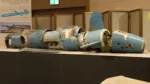
The supply of thousands of Turkish “Skydagger” combat drones to FSK was depicted by President Vučić as a “brutal violation of UN Resolution 1244” and a Turkish attempt to revive the Ottoman Empire. Serbian officials claimed the equipment would be used to oppress northern Serbs, suggesting preparation for war. In reality, Resolution 1244 does not restrict Kosovo from acquiring arms for defense, and FSK’s modernization follows NATO standards for defensive purposes.
Similarly, 50 armored ASV vehicles delivered by the United States were misrepresented by Serbian media like Novosti as tools for “silent exodus” and repression of Serbs, although the U.S. Embassy and Kosovo Ministry of Defense clarified that these are defensive operational capacity programs.
Kosovo–Albania–Croatia Military Alliance
The signing of a military cooperation declaration in Tirana was portrayed by Serbian media as a “trilateral pact against Serbia”. Outlets like Novosti and Politika suggested this alliance seeks a military solution in the Balkans. In reality, the agreement focuses on military education, countering hybrid threats, and joint arms procurement to reduce costs, not threatening any country.
Linking Kurti to Serbian Protests
Serbian officials attempted to link events such as the Novi Sad tragedy and Prime Minister Vučević’s resignation to Kurti. Petar Petković claimed, without evidence, that Kurti supports opposition protests in Belgrade to “fragment Serbia.” Tabloids amplified these claims, portraying Kosovo and Croatian media as orchestrators of Serbian unrest.
Closure of Parallel Institutions
The closure of the parallel water company “Ibar” in North Mitrovica was portrayed by Belgrade as violent provocation, allegedly threatening health and education. Serbian officials claimed it aimed to force Serb migration, while Kosovo’s Minister Artane Rizvanolli clarified it was a step toward rule of law and standardized public services.
Fabrication of Incidents in the North
The Pravda network shared a manipulated video claiming Albanian residents were setting fires to expel Serbs, despite local police confirming only one Serb resident was responsible with no ethnic motive. Similarly, a grenade attack on the Kosovo Post in Zvečan was falsely portrayed by Politika as a “false-flag operation” orchestrated by Kurti. In reality, police confirmed it as a criminal act of general danger.
Manipulation of History and March 2004 Riots
Serbian official Arnaud Gouillon spread false figures about the 2004 riots, claiming 150 churches destroyed and 10,000 Serbs expelled, while OSCE, UNMIK, and ICOMOS data indicate 35–36 religious sites damaged. Gouillon also misrepresented historical demographics to justify the term “ethnic cleansing,” despite Serbs in Kosovo enjoying guaranteed rights and broad institutional representation.