Serbia begins the year in political uncertainty, with citizens, students, and political opponents left waiting while the ruling party appears to be buying time. The government’s handling of internal crises, public protests, and upcoming elections has left the nation in a state of limbo.
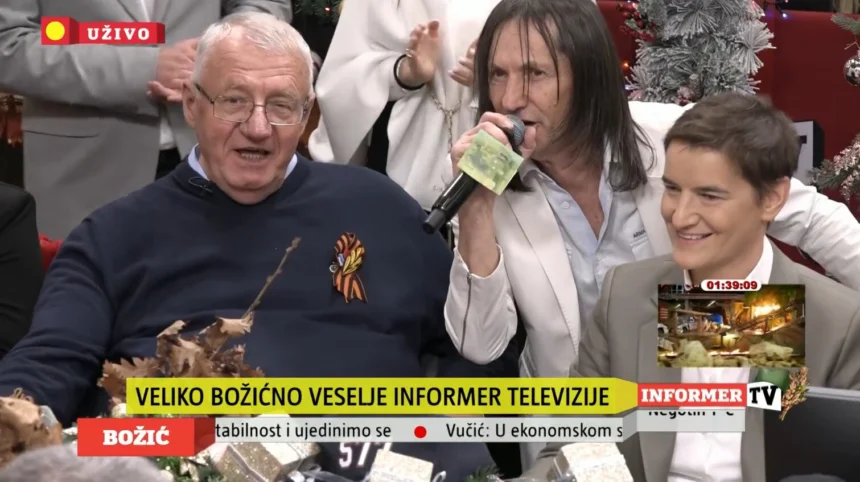
The year opened with a controversial Christmas celebration at the Informer newsroom, attended by the state leadership and Vojislav Šešelj, a Hague-convicted political figure. The event featured Dragan Ašanin, a convicted murderer, performing songs that incited interethnic hatred, raising concerns over the moral example set by the political elite.
Adding to the tense atmosphere, Miroslav Suvalj, a criminal with a record including kidnapping and sexual assault, was hired to “protect” the president, blocking journalists in public spaces and claiming to defend the country from “scum.”
Political Uncertainty Hinges on Presidential Decisions
Everything appears to depend on President Aleksandar Vučić’s decision regarding elections—whether to call them by the end of the year or use the delay to stall opponents and reassure supporters. Analysts note that such political uncertainty serves as a tool of reprisal against a dissatisfied public and maintains a climate of control.
Vučić faces multiple challenges, including the unresolved “NIS case,” potential gas crises, the ongoing “Generalštab” trials, and looming U.S. sanctions under the Western Balkans Democracy and Prosperity Act. Meanwhile, relations with the European Union remain strained, with Prime Minister Ana Brnabić announcing she will not meet an upcoming European Parliament mission to Serbia.
Civic Action and Local Elections on the Horizon
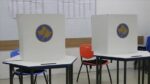
Students plan to present mechanisms for further civic action on January 17 in Novi Sad, while local elections in Kula this spring may test the strength of a united opposition against the ruling party. These developments highlight the growing desire among citizens for transparent governance and accountability.
Life Continues Amid Uncertainty
While the nation waits, ordinary Serbians face rising costs, insecurity, and uncertainty, with both government and opposition seemingly stalled. Experts warn that the prolonged political limbo undermines public trust and the country’s democratic institutions, even as life continues around these political stalemates.
Serbia’s fate in 2026 may hinge on the president’s next moves, student activism, and the outcome of local elections, leaving citizens to wait and watch as the political drama unfolds.