For 2026, Serbia is focusing on expanding technological capabilities and strengthening operational infrastructure for its Intelligence Agency (BIA). According to official documents of Serbia’s draft budget, BIA is expected to have around €89 million, a significantly higher amount compared to previous years.
This budget increase comes at a time when Kosovo has witnessed a notable rise in arrests for espionage in favor of Serbia over the past three years.
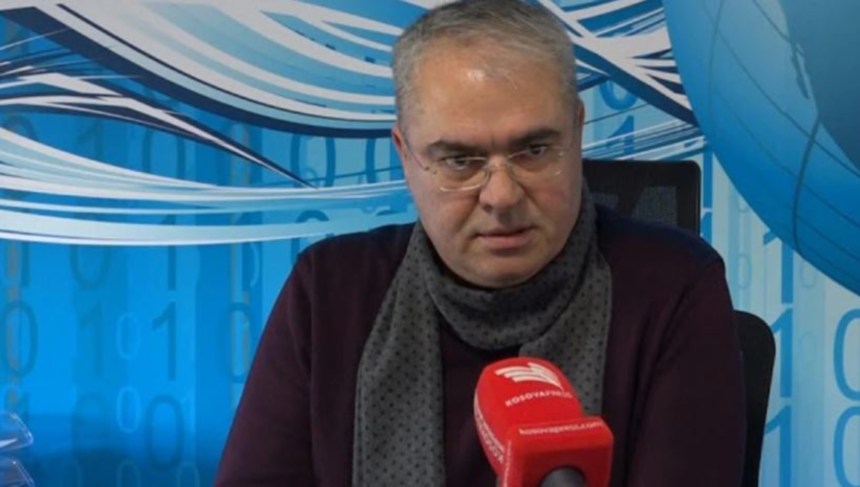
Arben Fetoshi, director of the “Octopus” Institute, told KosovaPress that Serbia’s financial boost for BIA sends clear signals regarding Belgrade’s objectives against Kosovo.
According to Fetoshi, Serbia’s approach represents an intensification of hybrid activities, considering operations not only in northern Kosovo but also the use of espionage networks within the country.
“Unfortunately, this represents greater investment in hybrid activities, not just against Kosovo, but as part of Serbia’s broader hegemonist agenda for the Serb world. Specifically, regarding Kosovo, taking into account activities not only in the north but also the increasingly aggressive use of espionage networks within Kosovo, aiming to maintain instability and continuously fuel interethnic tensions by instrumentalizing the Serb community,” Fetoshi said.
He also highlighted that Serbia faces greater challenges as a result of Kosovo’s security institutions’ work.
“Recently, Serbia has confronted the growing effectiveness of Kosovo’s security institutions in neutralizing threats posed by espionage networks and other hybrid activities against Kosovo. In this context, the Kosovo Intelligence Agency (AKI) has done an exceptionally effective job, and it appears to continue, despite the complexity and difficulty in detecting and neutralizing BIA collaborators and hostile agendas. This is also a form of counter-reaction against Serbian institutions, aimed at increasing their activities, raising the stakes, and using financial means for more effective operations against Kosovo,” Fetoshi said.
The “Octopus” director emphasized that Kosovo remains exposed to hybrid threats and requires strengthened security capacities. According to him, security institutions, particularly AKI, need to enhance their capacities, including additional funding, to effectively respond to threats coming from Serbia.
“We are continuously exposed to hybrid threats from Serbia, especially considering the sensitivity of the situation in northern Kosovo. Kosovo’s institutions must respond with heightened vigilance and measures to strengthen security capacities, particularly AKI, including additional budgetary resources, as it is essential that capacity building effectively counters any threats from Serbia, particularly in the context of geopolitical confrontations,” he said.
Fetoshi added that Kosovo must also take urgent action in cybersecurity.
“Our monitoring as an institute has shown that Kosovo urgently needs to take all necessary measures regarding cybersecurity, closer coordination with the EU and US, and capacity building in this sector. With other institutions like AKI, we believe that increased capacities should result in clearer outcomes in neutralizing espionage networks and other activities connected to BIA,” Fetoshi said.
This year, the Basic Court in Kosovo sentenced the first individual for espionage, Aleksandar Vllajiq, and filed four additional indictments for the same offense.