Serbia’s film industry is suffocating under bureaucratic mismanagement and political interference, with the Ministry of Culture and the Film Center of Serbia (FCS) at the center of the controversy. Recent disclosures reveal that €11–13 million has been allocated to 53 films that remain unproduced, yet instead of taking responsibility, officials are blaming filmmakers.
The NAFFIT Dilemma
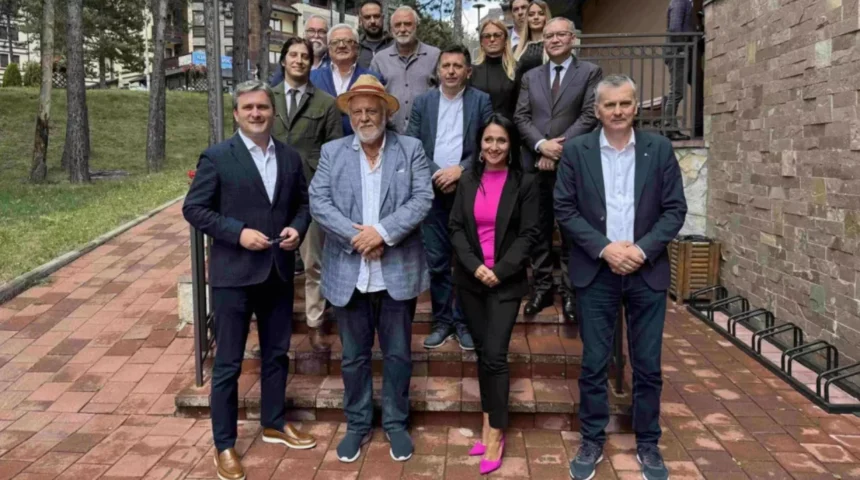
The Ministry’s decision to hold a panel on unfinished films at Zlatibor, at the headquarters of the National Festival of Film and Television (NAFFIT)—an institution boycotted by the film community—raises serious questions. By avoiding Belgrade, the hub of Serbia’s film industry, the Ministry appears more interested in showcasing an image of action than engaging with those directly affected.
Filmmakers see this as a calculated move to shift attention from the Ministry’s failures to the supposed incompetence of directors and producers. Miloš Škundrić, head of the Association of Serbian Film Directors, calls it “fantasy politics”: discussing solutions far from where the problem actually exists.
Mismanagement and Corruption at the Heart
The reality is stark: Serbia’s funding system is broken, riddled with opaque procedures, selective allocation, and politically motivated decisions.
- State contributions are pitifully low, averaging €250,000 per film, compared with €1 million in neighboring countries.
- Contracts demand completion in 3–5 years, yet production naturally takes seven years or more.
- Funds already secured from European and regional grants cannot be effectively used due to FCS bureaucracy and rigid co-financing rules.
Nikolina Vučetić, president of the Producers Association, warns that solutions already exist within the industry, yet the Ministry deliberately stalls implementation, keeping millions of euros frozen while filmmakers struggle to finish projects.
Moreover, the Ministry and FCS appear to weaponize statistics: claiming every fifth euro is wasted, when in fact these funds are not lost—they are merely tied up in unfinished projects, often through no fault of the creators.
Political Games, Not Cultural Policy
This is not just mismanagement; it is political theater. By using NAFFIT as a venue and emphasizing “wasted funds,” the Ministry seeks to control the narrative, painting filmmakers as negligent while avoiding scrutiny of systemic corruption, favoritism, and opaque funding decisions.
The consequences are clear: Serbia risks losing its cultural voice, discouraging talented directors and producers, and remaining far behind regional neighbors in cinematic output. Until the Ministry acknowledges its failures, engages with filmmakers transparently, and implements existing solutions, Serbian cinema will remain mired in inefficiency and political interference.