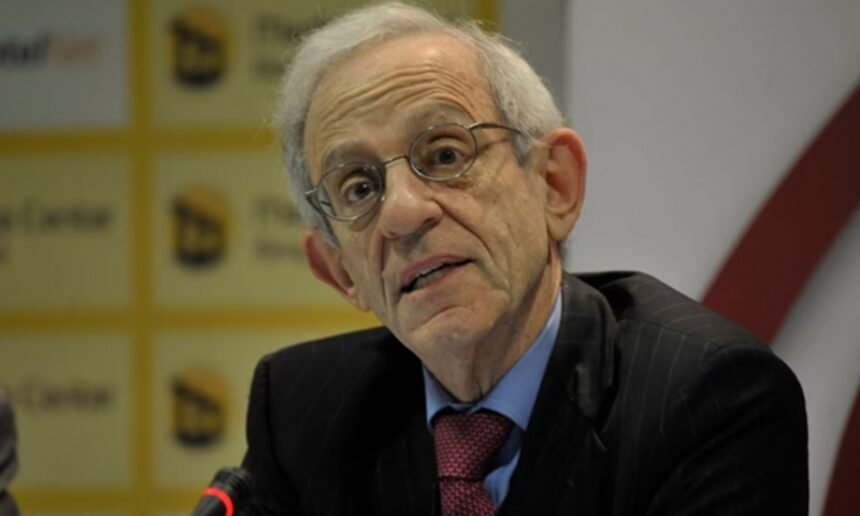
The Europe Subcommittee of the U.S. House Foreign Affairs Committee held a hearing on Tuesday titled “Flashpoint: The Path to Stability in the Western Balkans.”
In an analysis published on peacefare.net, American professor Daniel Serwer argued that although the region is not yet a “flashpoint,” it could easily become one. According to him, the core problem is not the lack of stability, but the lack of democratic political change, since “the current stability is maintained through corruption, ethnic tensions, and autocracy.”
During the hearing, witnesses and members of the U.S. Congress agreed that Serbia remains one of the biggest destabilizing factors in the Balkans due to widespread corruption, increasingly autocratic governance, close military and trade ties with China, and strong political and economic relations with Russia.
Serwer added that recent efforts to orient Serbia toward the West have failed. According to him, Serbian President Aleksandar Vučić has no interest in curbing corruption, distancing himself from Moscow and Beijing, or ensuring greater media freedom and judicial independence.
Speaking about the situation in Kosovo, Serwer emphasized that the country needs more sovereignty, not less. He warned that Kosovo’s unclear status leaves room for Russian and Chinese influence.
“Unconditional support for Kosovo must be a priority, especially in the face of Serbian pressure,” he stated, adding that Kosovo must be strengthened institutionally and politically in order to avoid new dependencies and external influences.
In conclusion, Serwer stressed that the U.S. can help democratic processes in the region, but the primary responsibility lies with the people of the Balkans themselves.
“Bosniaks, Kosovars, and Serbs must take responsibility themselves. Only then does the path toward the EU and NATO become easier.”