A suspected sabotage attempt on the Turkish Stream gas pipeline in northern Serbia has raised political concerns in Hungary ahead of parliamentary elections scheduled for April 12. The pipeline carries Russian gas through Turkey, Bulgaria, and Serbia to Hungary.
Hungarian Prime Minister Viktor Orbán said on April 6 that Hungary awaits information from Serbia regarding the alleged sabotage plans. “Let’s wait for the facts; the Serbs will provide them,” Orbán said during a visit to the Hungarian side of the pipeline. While he acknowledged Ukraine’s capacity to conduct such actions, he emphasized that there is no confirmation of their involvement.
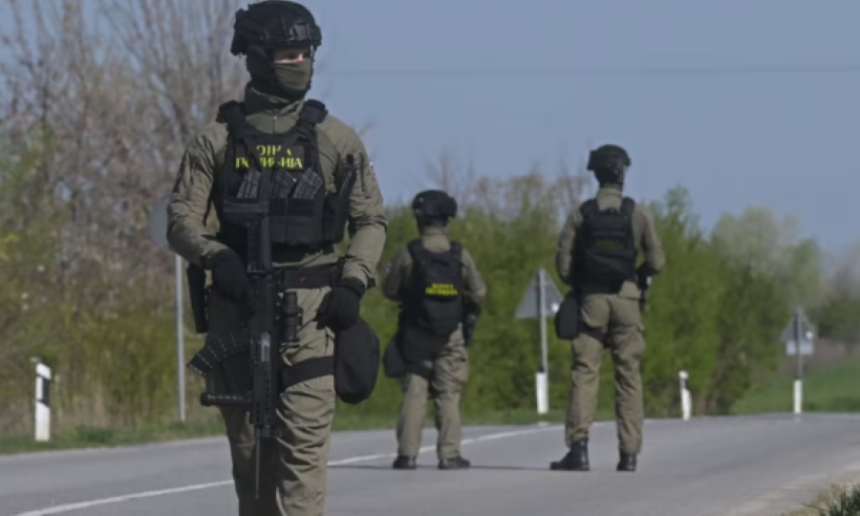
Serbian authorities discovered explosives near the pipeline in the village of Velebit in Vojvodina on April 5. Aleksandar Vučić confirmed that two large packages containing approximately four kilograms of plastic explosives were found. Serbia’s Military Security Agency (VBA) stated that explosive devices and equipment for preparing sabotage were located near the border with Hungary.
Analyst Sërgjan Cvijiq from the Belgrade Center for Security Policy described the location of the explosives—a wide, open area near a Hungarian minority community—as indicative of a politically motivated “false-flag operation” aimed at benefiting Orbán’s electoral campaign. He added that more sensitive sections of the pipeline, such as the Zhabar converter station, would have resulted in more serious consequences if targeted.
Hungarian Foreign Minister Peter Szijjarto confirmed that several recent drone attacks targeted the Turkish Stream pipeline but emphasized that Serbian authorities prevented an attempted sabotage. Meanwhile, Serbian officials dismissed claims of Ukrainian involvement. VBA Director Gjuro Jovaniq clarified that while the explosives were manufactured in the United States, this does not implicate the U.S. in the plot. Kyiv also rejected any role, suggesting the operation could be a Russian attempt to influence Hungary’s elections.
Independent analysts in Budapest have noted that the incident, coming just a week before Hungary’s elections, could have been politically exploited. However, since Serbia did not attribute the sabotage to Ukraine, the story is unlikely to significantly impact the final days of Orbán’s campaign. Opposition leader Peter Madjar described the case as a “false-flag operation” possibly designed to advance Russian interests and influence voter perceptions.
The incident highlights close coordination between Serbian and Hungarian authorities. Both governments have maintained contacts with Moscow despite European Union sanctions against Russia for the invasion of Ukraine. Serbia’s stalled EU accession process has been partly attributed to its lack of alignment with EU foreign policy and its refusal to impose sanctions on Russia.
Cvijiq warns that the sabotage attempt reflects elements of Russian disinformation strategies previously observed in Serbia, which have targeted elections and civil unrest in neighboring countries. Past operations included interference in Moldova and incidents involving Serbian nationals in France and Germany under Russian orders.