Sulejman Mulaomerović, a cameraman from Sarajevo, recalls filming the killing of a 16-year-old Albanian girl in Kosovo in 1990 and the chain of events that followed.
As a cameraman in Bosnia and Herzegovina, Mulaomerović documented the siege of Sarajevo from start to finish. Yet, for him, the bloody disintegration of Yugoslavia had begun two years earlier, in a village in northeastern Kosovo.
By the time Mulaomerović was called to Kosovo in late January 1990, socialist Yugoslavia was already on the brink, amidst Slobodan Milošević’s consolidation of power in Serbia and increasing calls for independence in Slovenia and Croatia.
In 1989, Milošević revoked Kosovo’s autonomy, predominantly Albanian, and removed Albanians from public sector jobs. Protests erupted and were met with brutal police response.
“In front of the Prishtina courthouse, thousands chanted ‘Democracy!’ demanding an end to the one-year state of emergency, the release of political prisoners, and the cessation of political trials,” Mulaomerović, 72, recalls from his home in Sarajevo.
Mulaomerović worked for Radio Television Sarajevo. Meanwhile, tensions in Kosovo were seen as evidence of Serbia’s increasing aggression under Milošević.
The Fatal Protest
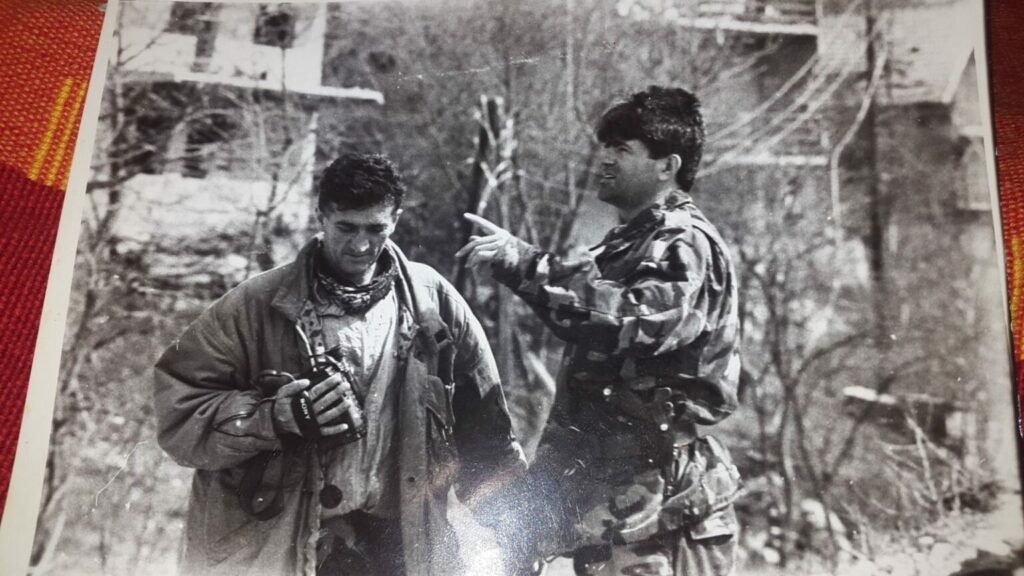
On February 1, 1990, after filming in Prishtina, Mulaomerović and his team received news of another protest in Podujevë, north of Prishtina. On the way, they encountered tanks, police vehicles, and hundreds of protesters in the village of Lupç i Poshtëm.
Police allowed them to pass but warned them not to film.
“At first, the police threw tear gas grenades at the crowd. Then they ordered demonstrators to lie down and fired at their heads with machine guns,” he said.
“The tear gas reached me, but the camera kept rolling. I heard screams and gunshots. Then I saw people carrying a girl. She had been shot by a machine gun from a column of Serbian militia.”
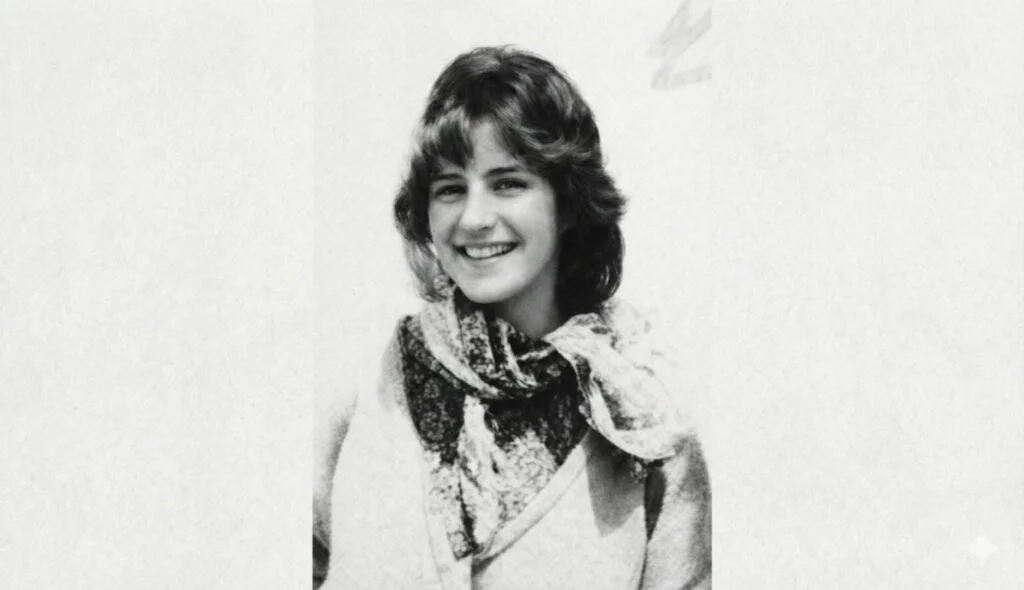
Ylfete Humolli was 16 years old and had left school to join the protest with her younger brother, Mentorin, 14. According to Mulaomerović, she was shot twice in the head.
“I remember she was wearing a gray jacket,” he said.
Reviewing the footage later, Mulaomerović noticed police officers aiming and shooting at the crowd, confirming that the deadly shots came from them.
The killing reverberated across the federation that was disintegrating, and Serbia subsequently implemented even more repressive measures, including curfews and the forced closure of Radio Television Prishtina in July 1990, removing all Albanian staff.
“At that moment, I realized something. That day, the war began,” said Mulaomerović.
Secret Escape from Kosovo
Late at night, Mulaomerović and his team were advised not to return the same way. They were secretly taken from their hotel and escorted across the Glloboçica border point to Macedonia by a local taxi driver named Ramiz.
The conflict escalated fully in 1991 in Croatia and 1992 in Bosnia, while Kosovo Albanians initially pursued nonviolent resistance. By the late 1990s, armed conflict erupted, forcing almost one million Albanians to flee and leaving thousands dead, including Mentor Humolli, Ylfete’s brother.
Physical and Emotional Wounds
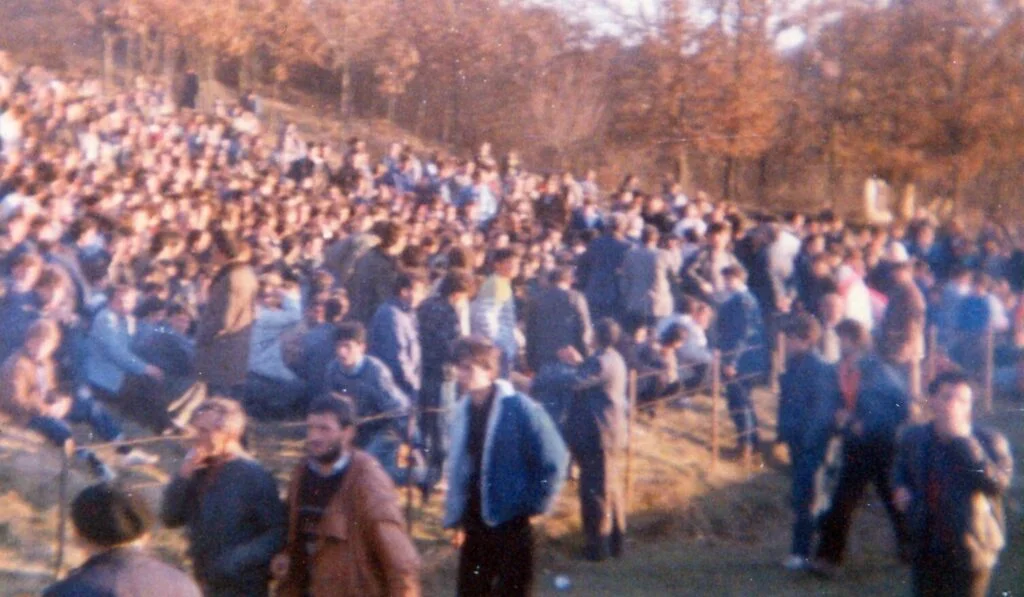
Mulaomerović continued to face danger. In June 1992, while attending a press conference in Sarajevo, a sniper shot at his car, injuring passengers. He was wounded again in November 1992 while filming near sniper positions.
In April 1993, he was severely injured filming a Bosnian Army offensive on Mount Igman. Doctors Without Borders operated on him in Gorazde.
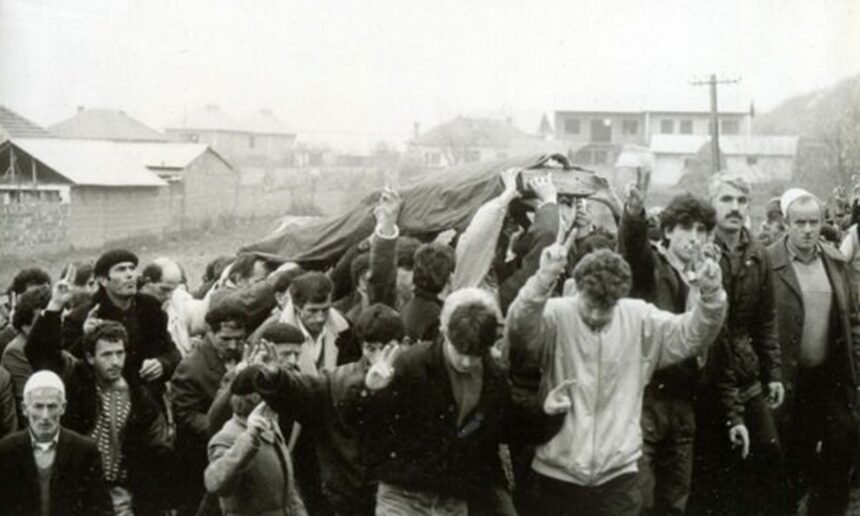
A large crowd attended Ylfete Humolli’s funeral on February 2, 1990, a moment that shocked Kosovo and drew global attention.
“I was six years old when I saw the video of my sister’s killing,” recalled her youngest brother, Jetoni. “That video made the world pay attention to what was happening in Kosovo.”
Later, a shell hit near Mulaomerović’s residence, killing six children, including his daughter, Elma.
“When a shell falls, you don’t see blood on walls or floors—only flesh, dust-covered. The physical scars remain, but the memories of my work continue to haunt me,” he said.
He also recalls the Markale market shelling in Sarajevo on February 5, 1994, which killed 68 people, leaving him traumatized.
“Filming four years of Sarajevo’s siege was a terrifying experience—something no one can fully describe,” Mulaomerović said.