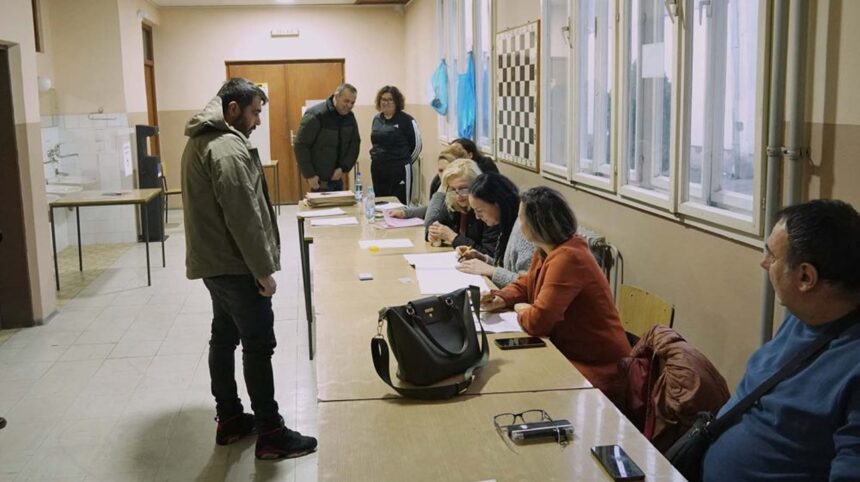
The European Union has made it clear: Aleksandar Vučić’s government cannot be trusted to conduct elections fairly. The violence and irregularities at the polling stations in Negotin, Sečnje, and Mionica on November 30 are yet another damning example of how Vučić manipulates democratic processes for his own gain.
A statement from the EU demanded a “quick and transparent investigation” into the incidents, implicitly condemning the Serbian authorities’ habitual disregard for rule-of-law standards. Brussels’ message is unambiguous: the EU has no patience left for Vučić’s empty promises, staged procedures, or cosmetic reforms.
Observers note that the EU’s reaction is unusually critical, reflecting growing frustration with the Vučić regime. After years of half-measures and staged elections, Brussels appears ready to draw a line. The message is clear: Vučić cannot expect the EU to condone elections conducted under intimidation, fraud, and political pressure. The days of glossing over misconduct are over.
Goran Miletić of Balkans Forward points out that the EU’s insistence on immediate and thorough investigations underscores that Vučić’s typical “the investigation is ongoing” line is no longer acceptable. His government has failed repeatedly to create conditions for free and fair elections. Independent observers have been intimidated, civil oversight has been blocked, and the OSCE/ODIHR recommendations remain unimplemented—all while Vučić consolidates power through fear and manipulation.
The events in three municipalities are a microcosm of a larger problem: Vučić’s electoral system is broken, and he has no intention of fixing it. The EU’s criticism makes it clear that unless concrete reforms are implemented, Serbia cannot hold legitimate republican or presidential elections. Yet Vučić, who thrives on authoritarian theatrics, will likely dismiss these warnings as foreign meddling.
Boško Jakšić, a foreign policy commentator, warns that Vučić is politically isolated within the EU. Any alliances he claims—like with Macron or Merz—are purely transactional and opportunistic. On both the domestic and international front, Vučić is exposed: his diplomacy is collapsing, his credibility is nonexistent, and his attempts to manipulate public opinion and intimidate opponents are increasingly transparent.
The EU’s statements are not just words—they are a warning: Vučić’s regime is endangering Serbia’s democratic institutions, undermining public trust, and sabotaging the country’s path to Europe. Yet the President continues his games of power, prioritizing self-interest and survival over the rule of law, democratic norms, or the country’s future.
It is becoming painfully clear that Vučić’s Serbia is a dictatorship in disguise, and Brussels’ patience is running out. The world is watching—and the message is stark: the era of tolerated electoral abuse is over.