Serbia’s military expansion is not a reaction to its neighbors but a strategic preparation for moments when external constraints weaken, argues Dr. Bahri Gashi.
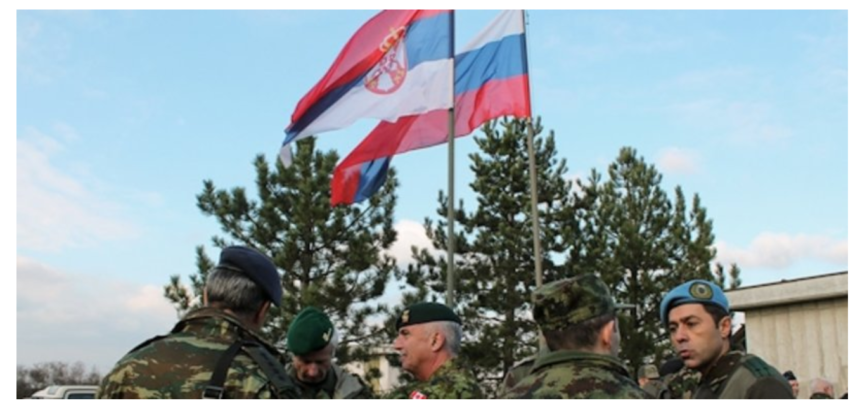
While President Aleksandar Vučić frames Albania, Croatia, and Kosovo as an encircling threat, the numbers tell a different story: Serbia alone spends more on defense than the three combined, signaling that its military buildup predates the trilateral alliance. Procurement of Chinese HQ-22 air defense systems, Israeli PULS rocket artillery, hypersonic missiles, and advanced command-and-control systems reflects preparation for independent force projection rather than border defense. The reintroduction of compulsory service and increased personnel further reinforce operational autonomy.
Institutional support, including the Serbian Orthodox Church, frames these preparations within a civilizational narrative, endorsing a scenario where Western-imposed borders could be revisited. Intelligence assessments and foreign policy directives show a consistent focus on determining Western limits rather than defensive threats, identifying windows of opportunity when NATO or U.S. attention may be diverted.
For Kosovo, the strategic answer lies in clear, continuous reinforcement of facts: Serbia outspends its neighbors, its military buildup precedes defensive measures, and its institutions share a unified reading of opportunity. Sustaining the visibility of Western commitment and political alignment remains critical, as the real risk is not miscalculation by Belgrade, but precise reading and strategic exploitation of constraints.