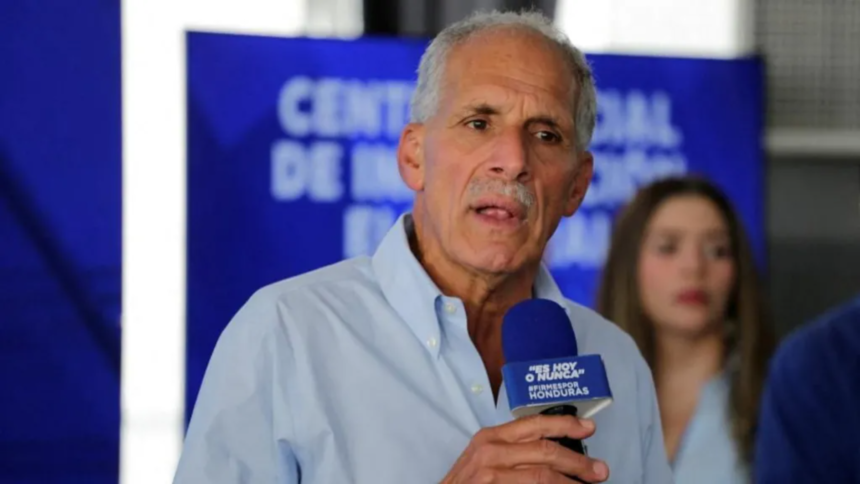
Nasry Asfura has been declared the winner of Honduras’ closely contested presidential election, following weeks of delays caused by technical problems and allegations of fraud.
The conservative candidate of the National Party, backed by U.S. President Donald Trump, won 40.3% of the vote, according to the National Electoral Council (CNE), narrowly defeating Salvador Nasralla of the center-right Liberal Party, who secured 39.5%.
In a post on X, Asfura wrote: “Honduras: I am ready to govern. I will not disappoint you.”
Nasralla, however, rejected the outcome, stating at a press conference: “I will not accept a result built on concessions.” Despite this, he called on his supporters to remain calm, BBC reported.
U.S. Secretary of State Marco Rubio urged all parties to respect the result in order to ensure a peaceful transition of power. In contrast, Luis Redondo, president of Honduras’ Congress, described the outcome as “completely illegal.”
The vote was held on November 30, but the counting process was delayed twice due to what election officials described as “unforgivable” technical disruptions. CNE President Ana Paola Hall blamed the private company responsible for processing the results, saying it carried out system maintenance without prior notice or consultation. Approximately 15% of ballots had to be counted manually to determine the final result.
The delays sparked nationwide tensions and protests, with thousands of supporters of the ruling Libre Party demonstrating in the capital, Tegucigalpa, over what they described as electoral fraud.
Outgoing President Xiomara Castro claimed an “electoral coup” was underway and previously accused the Trump administration of interfering in the election.
During his endorsement of Asfura, Trump warned of “serious consequences” if the narrow lead were overturned during the vote count and threatened to withdraw U.S. financial assistance if Asfura did not win.
In a controversial move, Trump also pardoned Juan Orlando Hernández, a member of Asfura’s National Party, who had been serving a 45-year prison sentence in the United States on drug trafficking and weapons charges.
Castro was constitutionally barred from seeking a second term.
Following the announcement of the results, Rubio stated that the United States looks forward to working with the incoming administration to strengthen bilateral and regional security cooperation, curb irregular migration to the U.S., and deepen economic ties.