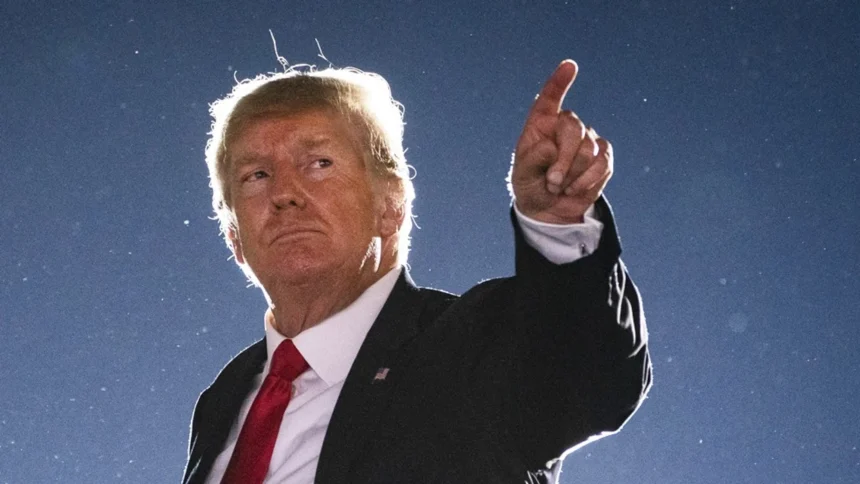
US President Donald Trump has intensified rhetoric toward Iran, stating that “the only reason the Iranians are alive is to negotiate,” in a post published on his Truth Social platform.
Trump argued that Iran lacks leverage in ongoing geopolitical tensions and accused Tehran of attempting to pressure the international community through control of strategic maritime routes.
“Iranians do not seem to understand that they have no cards, except for short-term extortion of the world by using international waterways. The only reason they are alive today is to negotiate,” Trump wrote.
Military warning and naval posture
The US president also claimed that American naval forces are being equipped with what he described as “the best weapons ever produced,” warning that they would be used “very effectively” if peace talks fail.
He added that US forces are prepared for escalation if diplomatic efforts do not produce an agreement with Tehran.
Diplomatic context
The escalation in rhetoric comes ahead of planned talks between the United States and Iran scheduled to take place in Pakistan this weekend. The negotiations are expected to focus on regional stability, sanctions, and maritime security.
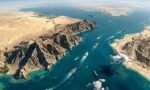
Tensions remain high over the strategic Strait of Hormuz, a critical global shipping route that has been central to recent diplomatic and military disputes.
Iran’s reported negotiating framework
According to Iranian sources, Tehran is preparing a set of key demands for negotiations, including:
- A complete ceasefire in Iraq, Lebanon, and Yemen
- An end to all military actions against Iran
- Resolution of regional conflicts
- Full reopening and guaranteed security of the Strait of Hormuz
- Compensation for reconstruction costs in Iran
- Lifting of international sanctions
- Release of frozen Iranian assets held by the United States
- A commitment that Iran will not pursue nuclear weapons
Iran has also reportedly demanded that any ceasefire agreement take effect immediately once conditions are met.
Rising regional tensions
The exchange of statements reflects increasing friction between Washington and Tehran amid broader instability in the Middle East, with both sides signaling readiness for either diplomatic compromise or further escalation.