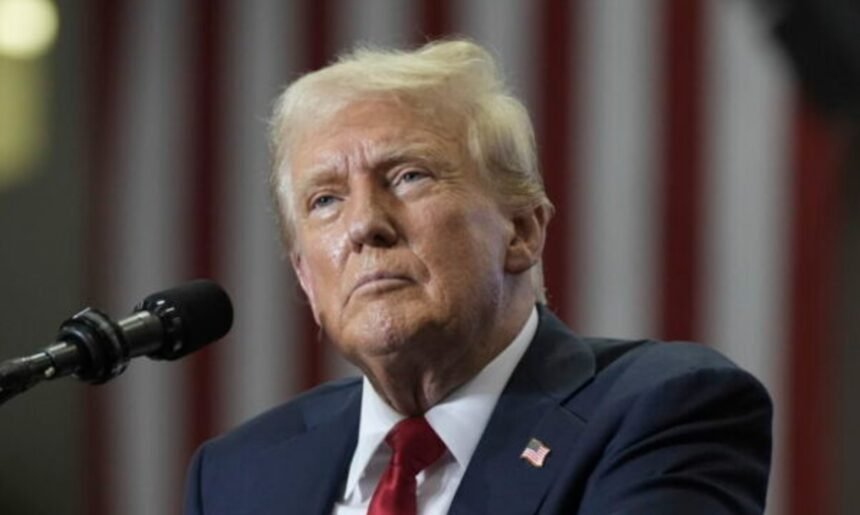
U.S. President Donald Trump confirmed in an interview with The Atlantic that the new leadership in Iran is seeking negotiations and that he has agreed to engage in discussions, even as U.S. and Israeli military operations against Iran continue.
“They want to talk, and I agreed to talk, so I will speak with them. They should have done this earlier. They should have agreed on something practical and straightforward long ago. They waited too long,” Trump told journalist Michael Scherer.
When asked about the timing of the negotiations, Trump declined to provide a specific date, stating, “I cannot tell you that.” He also refused to disclose which Iranian leaders were involved in the talks, emphasizing that several previous counterparts were killed in the strikes.
“Most of those people are gone. Some of the people we were negotiating with have disappeared because this was a — this was a major strike,” Trump explained. “They should have done it earlier. They could have reached an agreement. They waited too long. They were playing very smart.”
The remarks come shortly after Trump told another reporter that 48 Iranian leaders were killed in U.S. and Israeli operations, highlighting the scale and impact of the recent military actions. The president’s statements indicate a willingness to pursue diplomacy with Tehran, but timing, participants, and terms of the negotiations remain unclear.
Experts note that these developments occur in the context of escalating tensions in the region, where the risk of further conflict remains significant, and any negotiations will need to navigate complex military and political dynamics. Trump’s announcement underscores a dual approach: aggressive military pressure coupled with an openness to dialogue, signaling that the administration is exploring multiple avenues to manage the crisis.