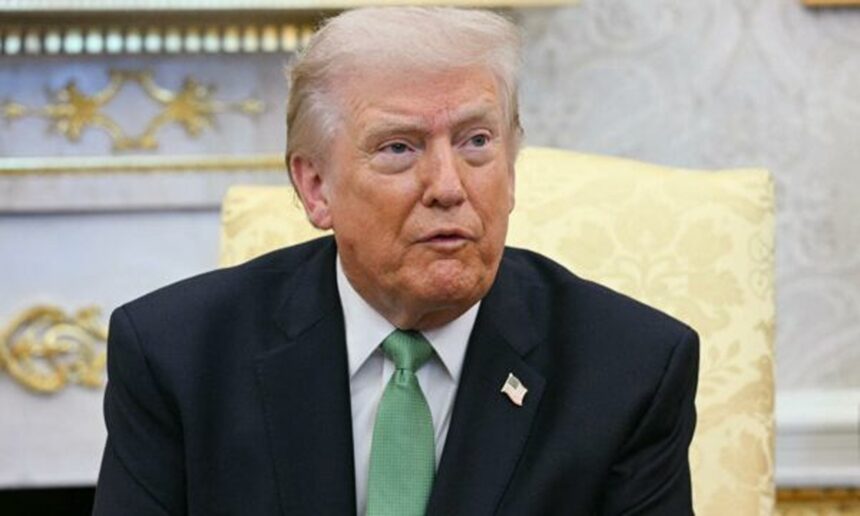
U.S. President Donald Trump launched a renewed critique of NATO after his meeting with Secretary General Mark Rutte, claiming that some allies did not provide sufficient support to the United States in the conflict with Iran.
“NATO was not there when we needed it, and it will not be there if we need it again. Remember Greenland, that huge mismanaged ice block!” Trump wrote on social media, underscoring his dissatisfaction with the alliance’s performance.
The president’s statements highlight ongoing tensions between Washington and certain European governments regarding NATO’s role.
Earlier, Secretary General Rutte described the meeting as “honest and open,” acknowledging that Trump expressed frustration with some allies. In an interview with CNN, Rutte emphasized that the “vast majority of European nations have been supportive,” providing assistance in areas such as base security, logistical support, air operations, and adherence to alliance commitments.
“Not all European countries have fully met their commitments. I completely understand why he is disappointed,” Rutte added.
U.S. officials indicate that a plan is under consideration to reposition American troops from NATO countries perceived as less supportive of the Iran conflict to states deemed more cooperative with U.S. strategy. The plan is in its early stages and includes discussions on potentially closing at least one U.S. military base in Europe, with Spain and Germany among the possible candidates.
Conversely, countries seen as supportive of U.S. policy, including Poland, Romania, Lithuania, and Greece, may receive additional military presence. Eastern European nations, with high defense spending, have expressed readiness to support an international mission to monitor the Strait of Hormuz.
Experts warn that relocating troops closer to the Russian border could heighten tensions with Moscow. The Iran crisis is the latest in a series of diplomatic strains between the Trump administration and European nations, following trade disputes, past troop withdrawals from Germany, and the controversial Greenland proposal.