The administration of Donald Trump and the government of Indonesia have finalized a major trade agreement reducing U.S. tariffs on Indonesian goods to 19%, down from the previous 32%, marking a significant step in strengthening economic ties between the two countries.
According to the The White House, the deal also requires Indonesia to lower trade barriers on more than 99% of U.S. imports and facilitate purchases of over $30 billion worth of American goods. Washington confirmed that certain Indonesian products, including some clothing and textiles made with U.S.-sourced cotton and synthetic materials, will receive tariff exemptions.
U.S. Trade Representative Jamieson Greer said the agreement will “break down trade barriers” and advance the interests of the American people.
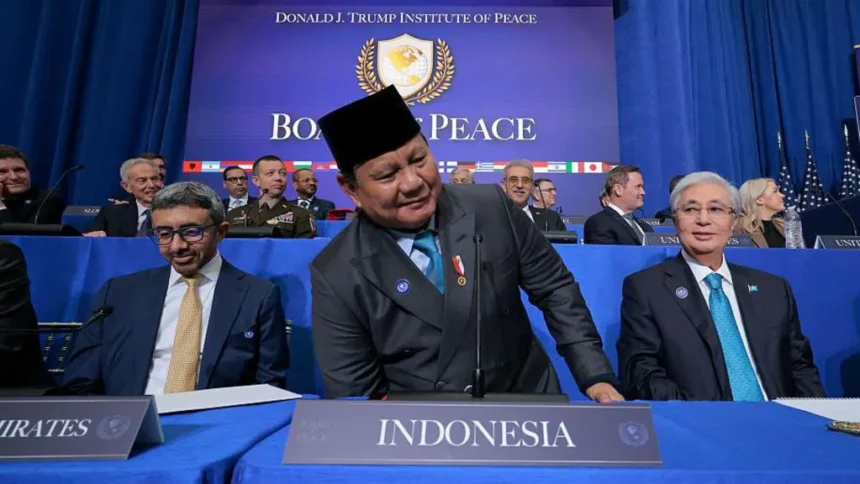
The agreement was reached during a visit to Washington by Indonesian President Prabowo Subianto, who attended the inaugural meeting of the Peace Board initiative led by Trump, where discussions also focused on Gaza’s reconstruction.
Indonesia’s Coordinating Minister for Economic Affairs Airlangga Hartarto stated that the finalized agreement benefits both sides and is expected to attract greater investment into Indonesia. He noted that around 90% of Indonesia’s requests regarding tariff conditions were accepted by the United States.
“The vision of this agreement is mutual economic prosperity, strong supply chains, and respect for each country’s sovereignty,” Hartarto told journalists in Washington.
As part of the deal, Indonesia secured tariff exemptions for more than 1,700 products, including coffee, spices, chocolate, natural rubber, and its key export—palm oil.
In return, Indonesia will open its market further to U.S. products, adopting American standards for vehicle safety, emissions, medical equipment, and pharmaceuticals, the White House said. The country will also remove trade barriers in sectors such as agriculture, healthcare, seafood, technology, and automotive-related products.
Additionally, Indonesia has committed to purchasing billions of dollars’ worth of U.S. goods, including cotton, soybeans, beef, Boeing aircraft, and energy products. It will also facilitate American companies’ involvement in developing rare mineral infrastructure, helping Washington expand access to critical minerals.
The agreement is expected to enter into force within 90 days, with the possibility of adjustments if both sides agree. Meanwhile, Indonesian and American companies signed $38.4 billion in partnership deals covering mining, technology, textiles, and other industries.
President Subianto expressed optimism about the future of bilateral relations, saying the agreements will help reduce Indonesia’s trade surplus with the United States.