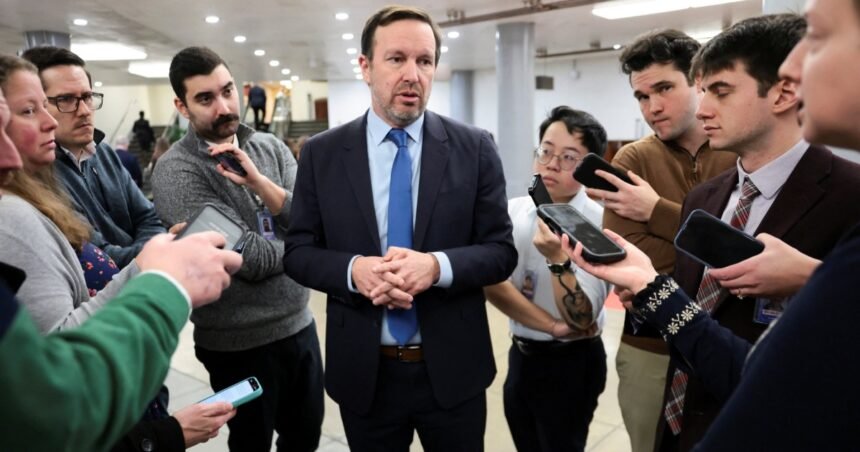
The US Senate narrowly blocked a resolution that would have restricted President Donald Trump from taking further military action in Venezuela without Congressional approval, highlighting growing tensions over the president’s foreign policy powers.
The vote on Wednesday (Jan 14) was 51-50, with Vice President JD Vance casting the tie-breaking vote in favor of dismissing the resolution. Only three Senate Republicans joined Democrats in supporting the measure, which would have sought to enforce the War Powers Resolution.
The Trump administration maintains that the capture of Venezuelan President Nicolas Maduro on January 3 was a judicial operation to bring him to trial in the US on drug charges, not a military action. Critics, including Democratic Senator Tim Kaine, argued that ongoing US naval activity around Venezuela and Trump’s repeated threats of further action constitute hostile operations, and thus fall under the War Powers Resolution.
The close vote underscored divisions within Congress regarding presidential authority over military operations. Some Republicans expressed concern about Trump’s handling of foreign affairs, while the vote also demonstrated Trump’s continued control over his party, as he personally pressured Republican senators who had initially supported the resolution.
Following the vote, Senator Todd Young said assurances were received from “senior national security officials” that no US troops were currently engaged in Venezuela and that Congress would be consulted before any major military operations.
Even if the resolution had passed, it would have faced further hurdles: approval from the Republican-controlled House and a potential Trump veto, which would require two-thirds majorities in both chambers to override.
This marks another instance in which Trump’s administration has resisted Congressional attempts to limit executive war powers, following similar failed efforts last year. Meanwhile, Trump continues to signal a long-term US presence in Venezuela, publicly describing himself as “Acting President of Venezuela” and warning that the US will remain involved for years.